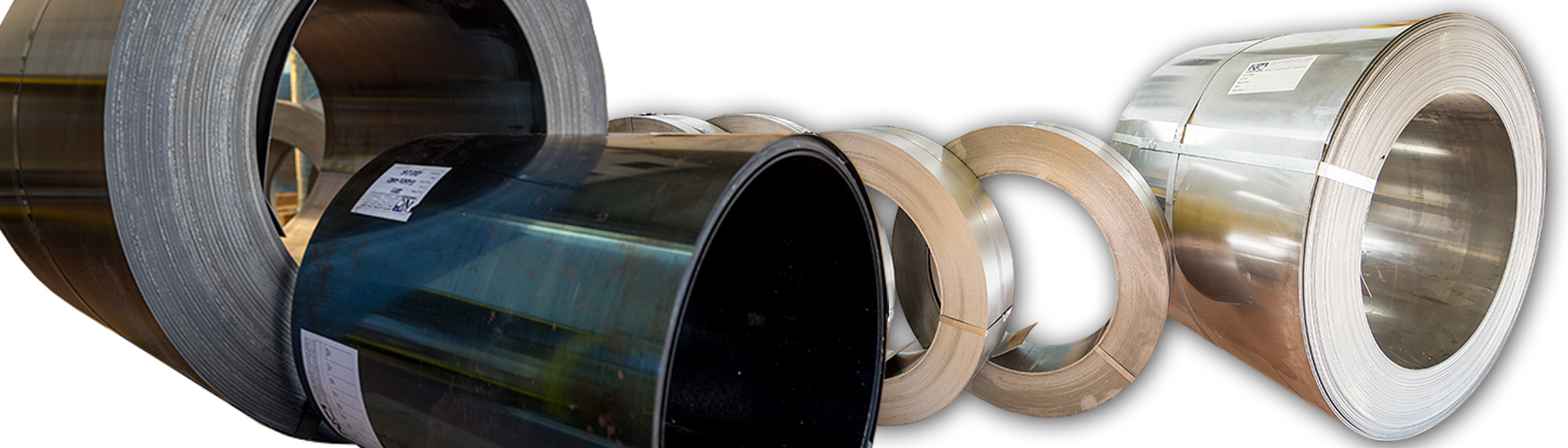
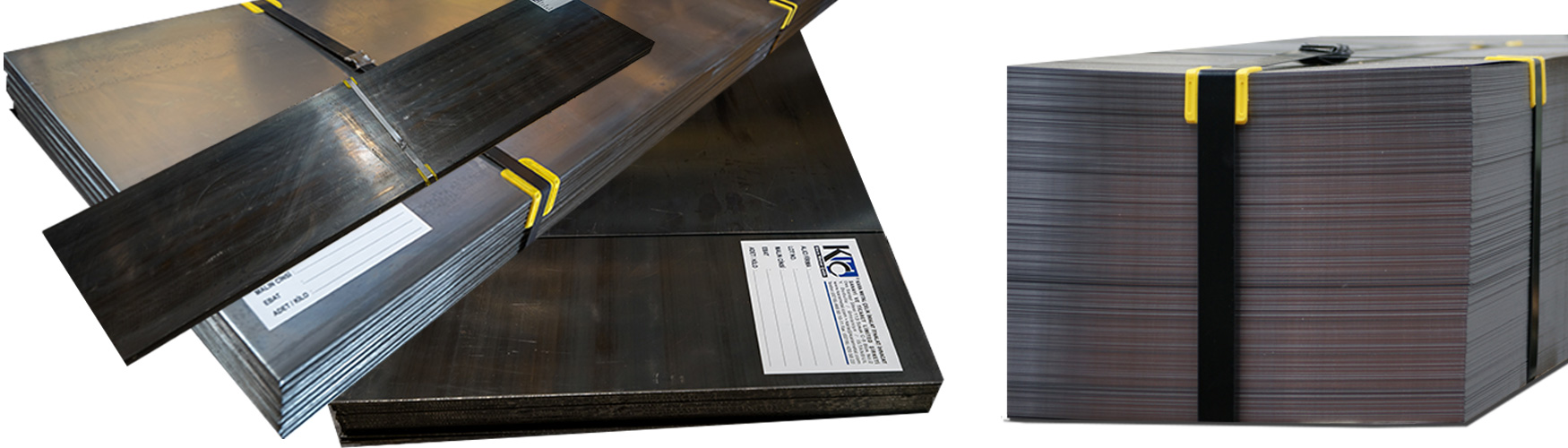
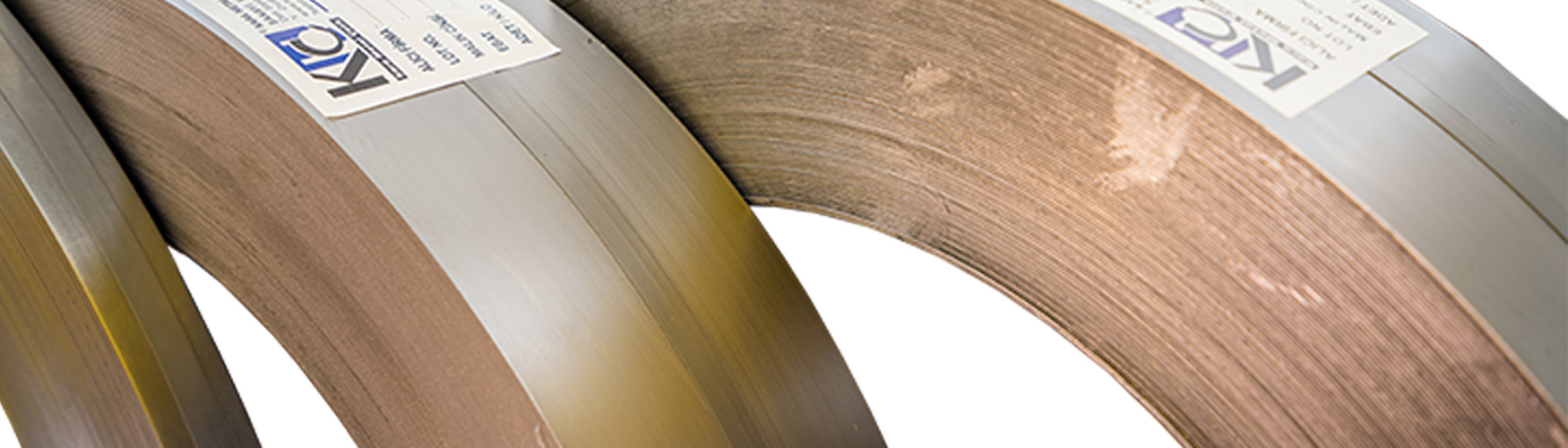
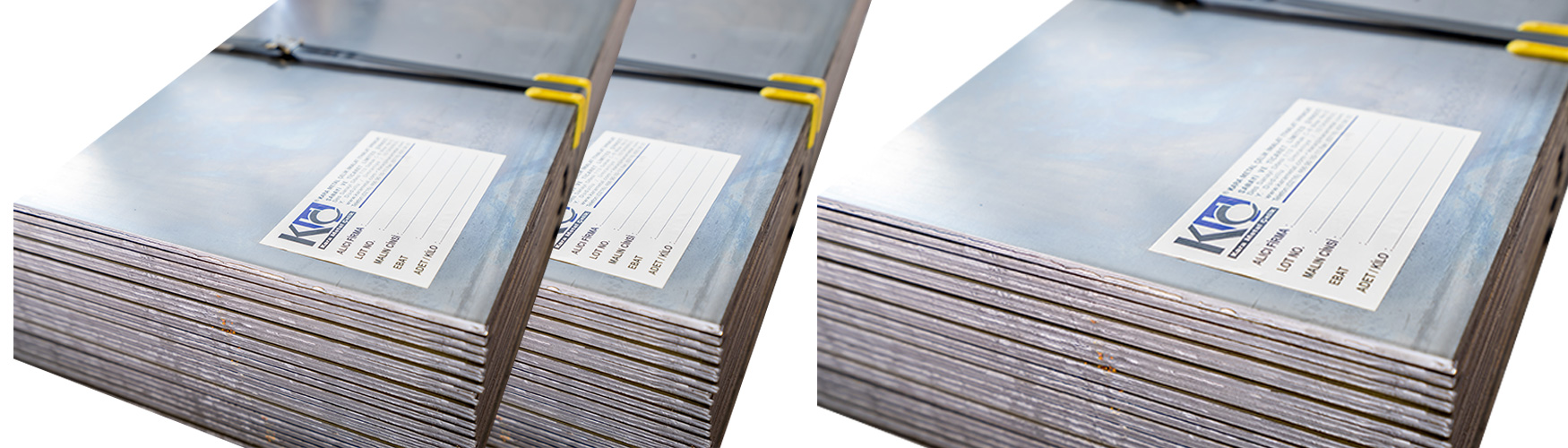
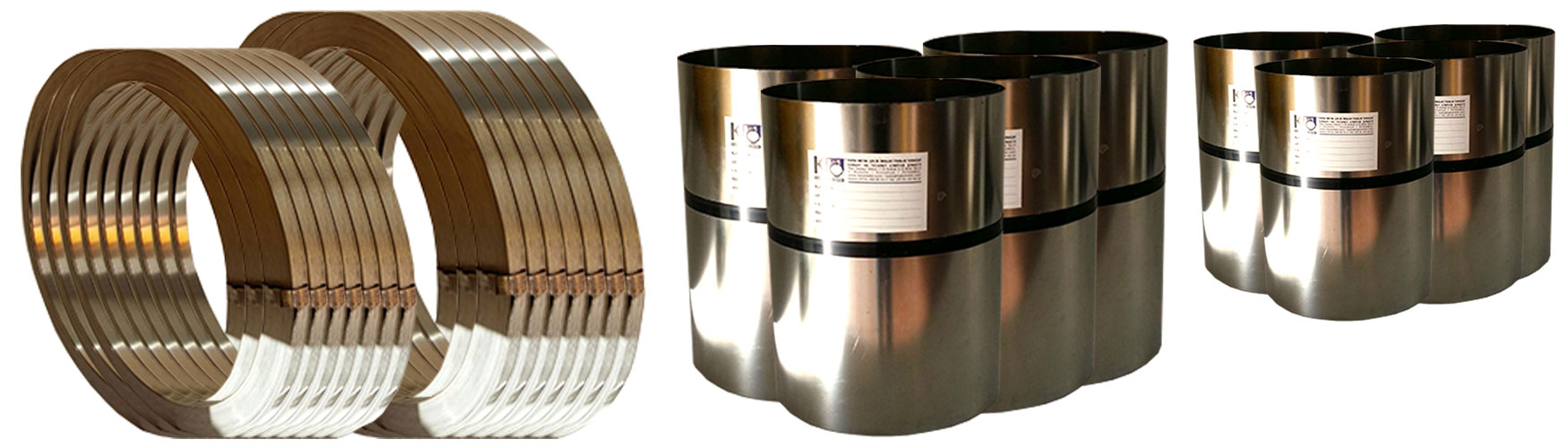
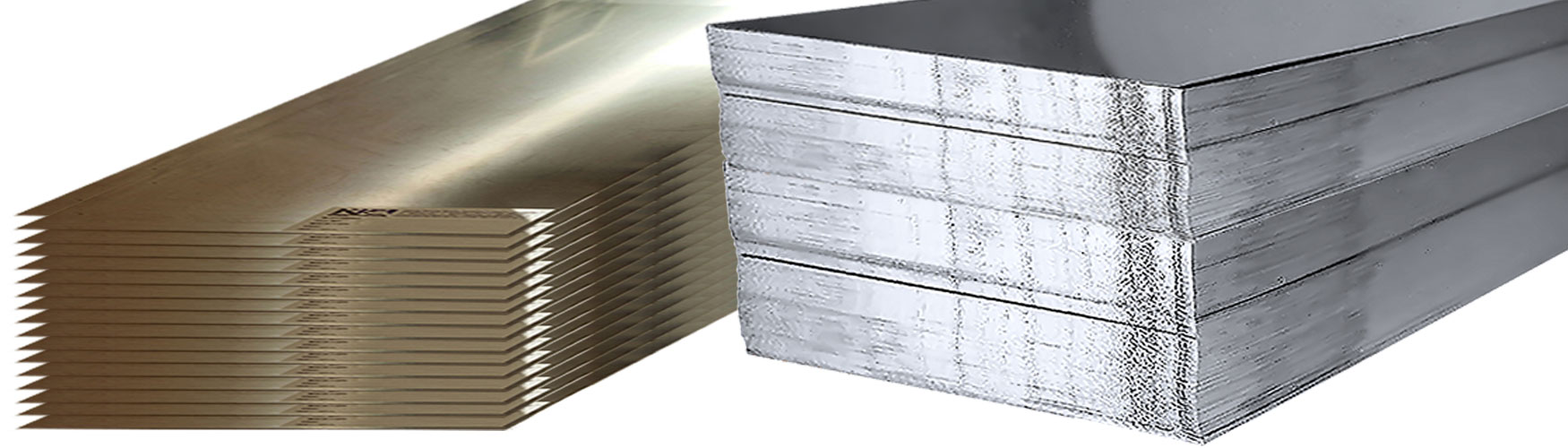
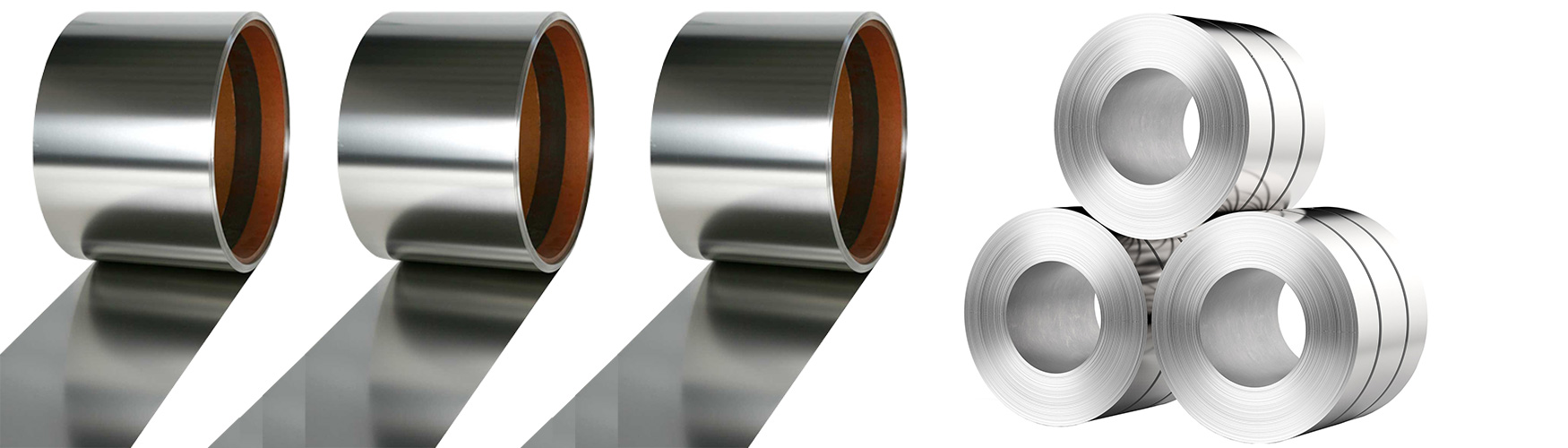
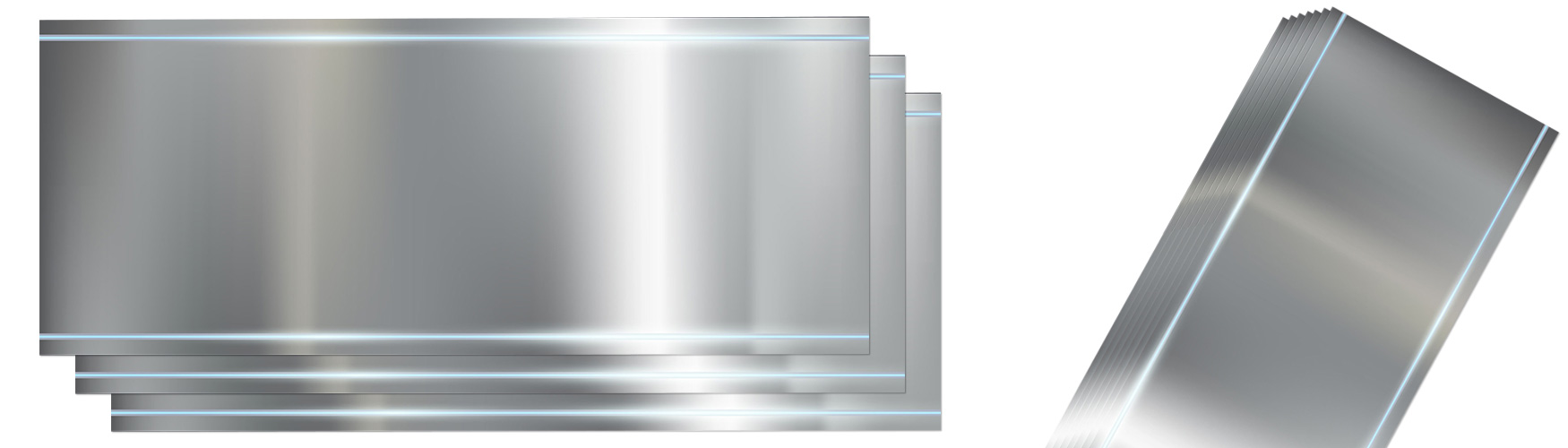
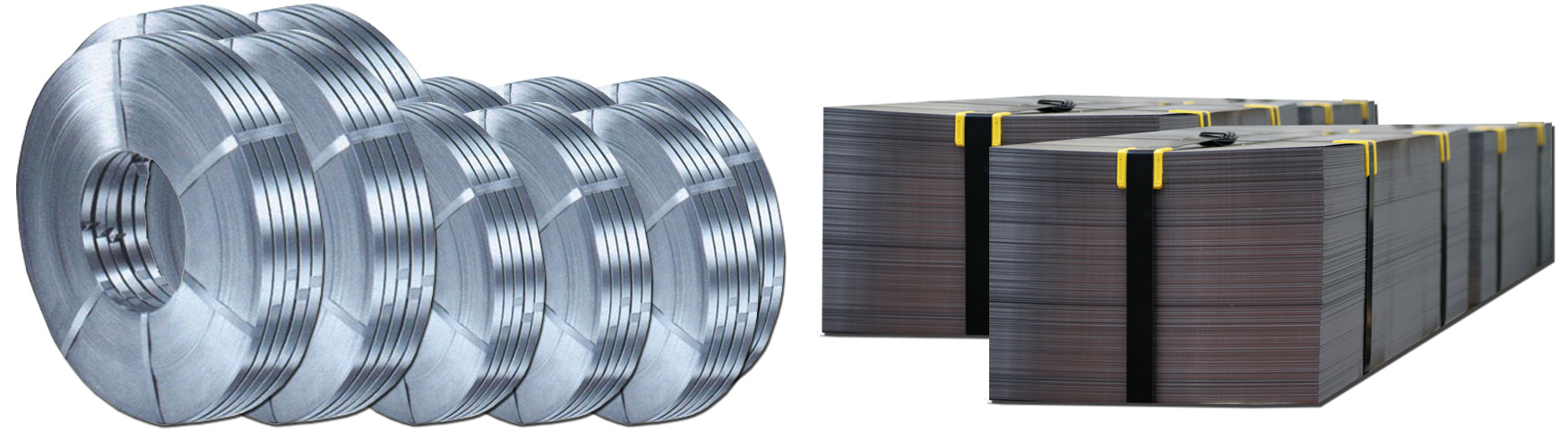
316L Stainless Steel – Properties and Applications
316L grade stainless steel is the low-carbon version of 316 grade steel and, due to this characteristic, it is an ideal material especially for welded fabrications. It contains molybdenum (Mo) and a high amount of nickel (Ni) in its composition. These elements provide the steel with high corrosion resistance, durability, and long service life.
Similar to standard 316 grade, it offers high resistance to saltwater, chemical environments, and corrosive substances. However, the low carbon content of 316L makes it much more advantageous in terms of resistance to intergranular corrosion.
Key Features of 316L Grade:
- Minimizes the risk of intergranular corrosion after welding due to its low carbon content
- Does not require post-weld annealing even in thick sections, simplifying production and saving time and cost
- Provides long-term performance in harsh environments thanks to high corrosion and pitting resistance
- Offers high tensile strength, making it a safe choice for components exposed to mechanical stress
- Meets aesthetic expectations with its high surface quality and brightness
- Non-magnetic, suitable for applications where electromagnetic compatibility is important
Applications:
316L grade stainless steel is preferred especially in applications requiring high strength, hygiene, and long service life. Common areas of use include:
- Marine and offshore applications: Parts exposed to seawater (anchor systems, fasteners, etc.)
- Chemical industry: Tanks, pipes, and plant equipment handling acidic and chemical fluids
- Food, pharmaceutical, and dairy industries: Hygienic production lines, filling machines, and sterile piping systems
- Paper and paint production: Acetic acid and fertilizer processing plants
- Photography industry: Equipment
- Coastal construction systems: Exterior façade components
- Ropes, rods, bolts, and nuts: Fastening and load-bearing elements
316L grade stainless steel is an ideal solution for engineering applications requiring high safety, durability, and workability. Especially in welded components, it eliminates the need for additional heat treatment, providing both ease of production and improved structural reliability.