
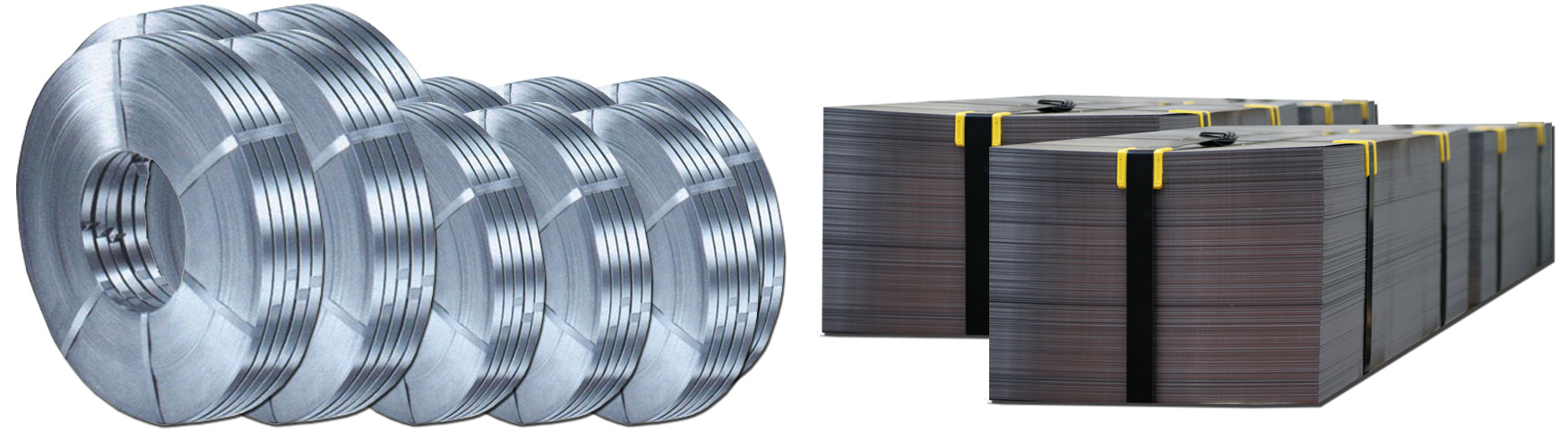
430 Stainless Steel – Properties and Applications | Economical Steel
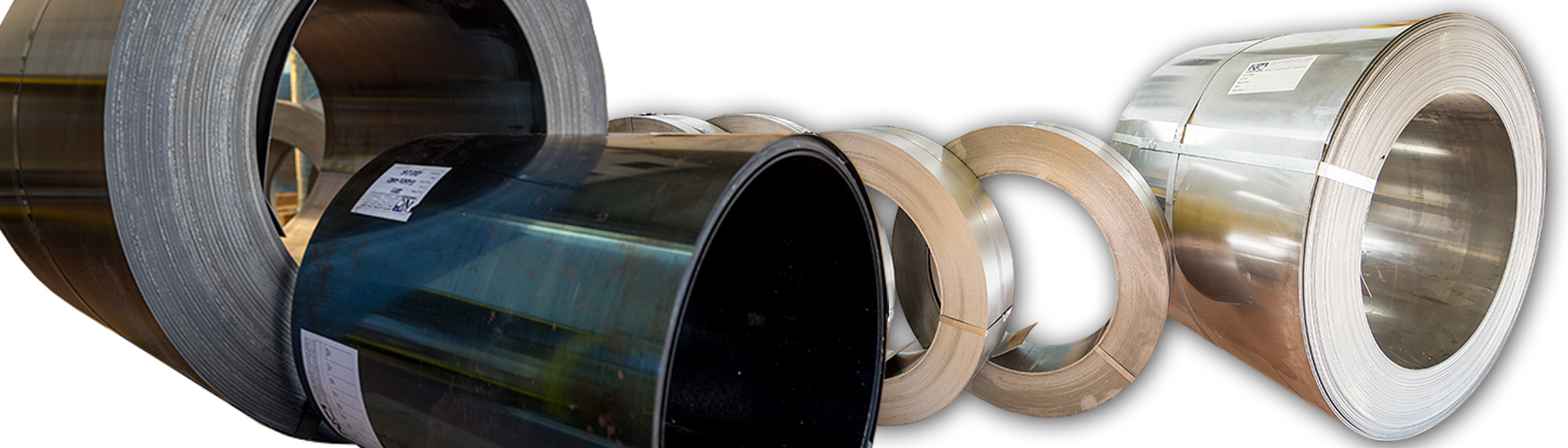
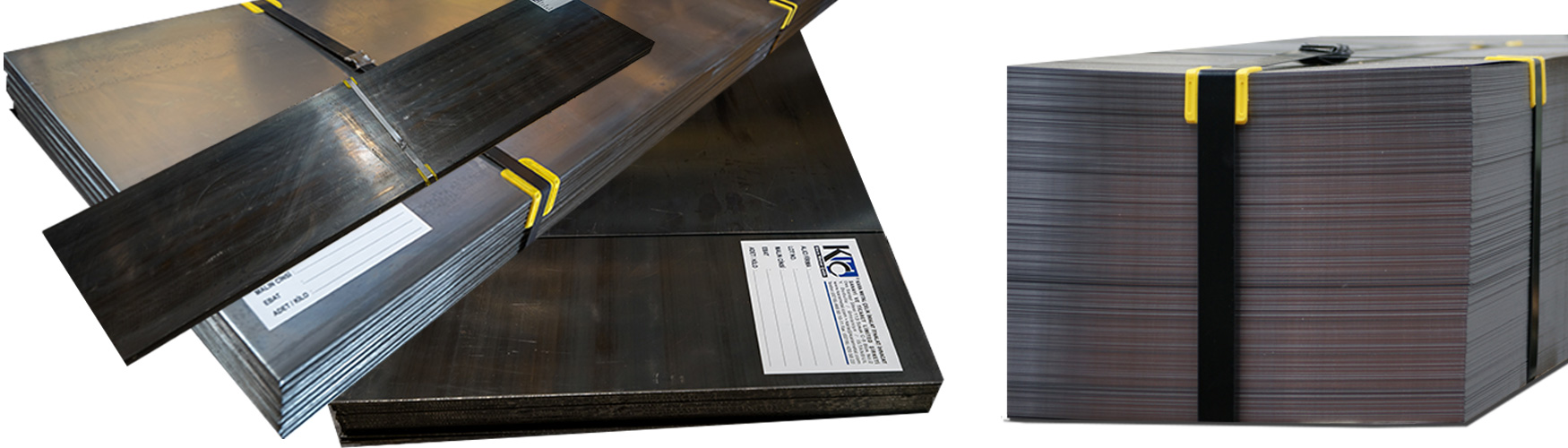
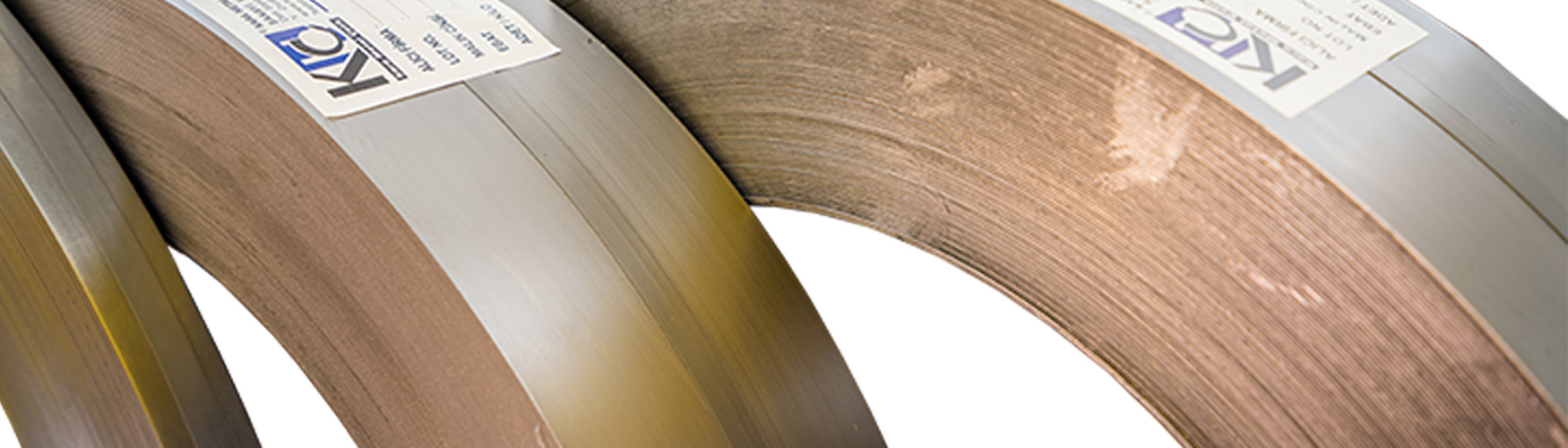
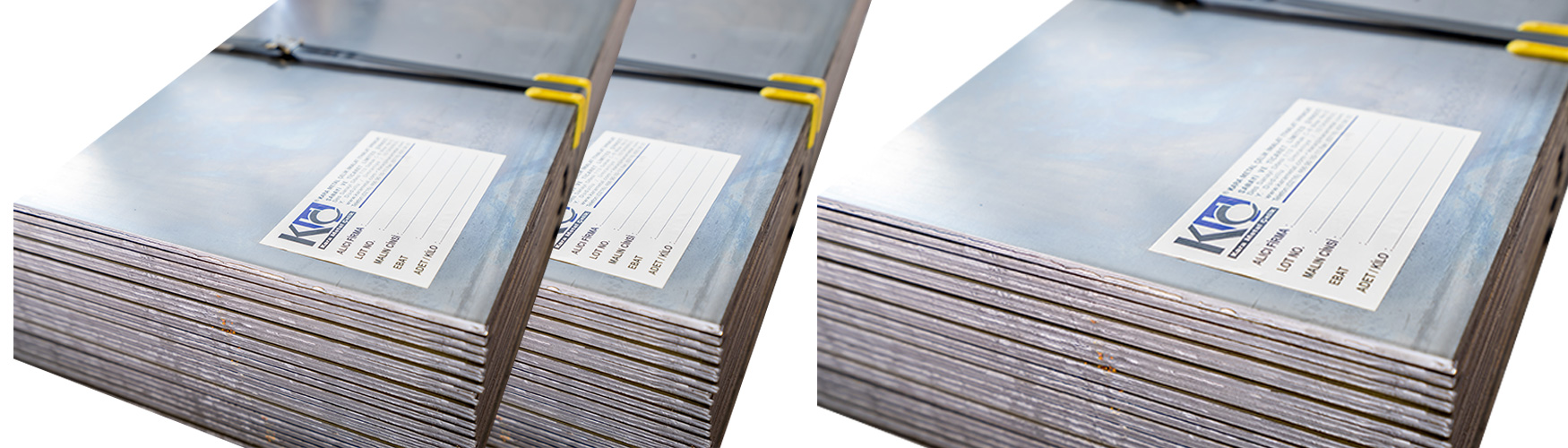
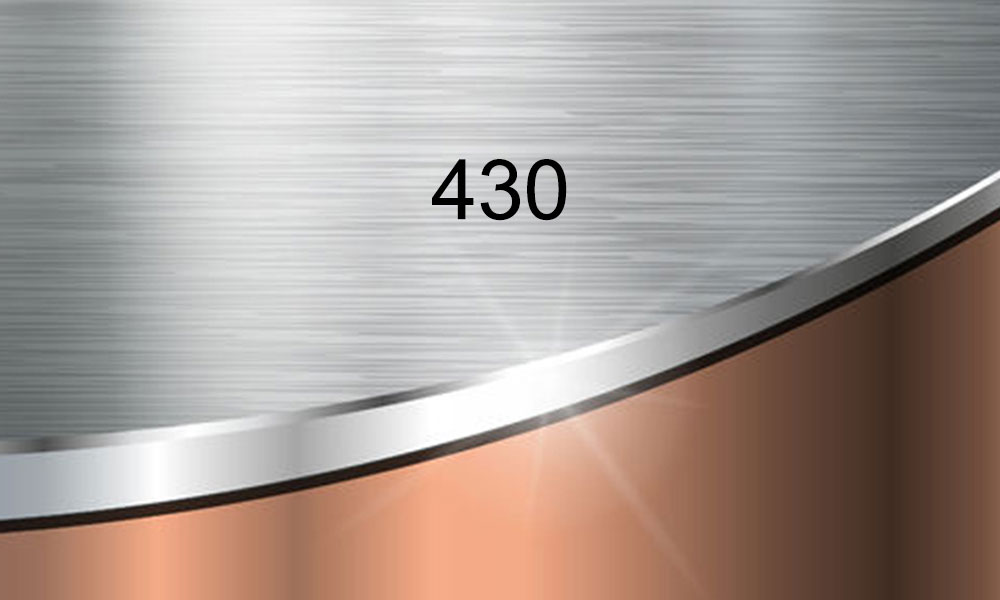
430 grade stainless steel is a basic material within the stainless steel family, characterized by its ferritic (ferrite-based) structure. It has a low carbon content and contains approximately 16–18% chromium. However, it does not contain nickel or molybdenum, making it a more economical alternative compared to the 300 series austenitic steels.
Key Features of 430 Grade:
- Exhibits magnetic properties. Since it does not contain nickel, it is magnetizable, making it suitable for certain technical applications.
- Offers above-average corrosion resistance, especially providing long service life in indoor or low-humidity environments.
- Resistant to heat. It maintains its form under moderate temperature exposure without cracking or deformation.
- Due to its low coefficient of thermal expansion, it is less affected by temperature changes.
- Provides excellent oxidation resistance, allowing the surface to remain bright and clean over time.
- Features a smooth surface appearance, and aesthetic brightness can be achieved through polishing processes.
- Cannot be hardened by heat treatment, but it is easy to process in terms of forming and surface finishing.
- Has moderate mechanical strength and is widely used in non-structural but functional components.
Applications:
430 grade stainless steel is preferred in many areas where both visual and functional performance is required, along with cost-effective solutions. Main application areas include:
- Home appliances: Oven inner panels, microwave back panels, refrigerator panels
- Kitchen equipment: Three-layer teapot and cookware bases, range hoods
- Gas nozzles and stove components: Ideal due to heat resistance
- Bathtub and sink claddings: Decorative construction materials
- Construction sector: Interior claddings and fixed architectural components
- Fasteners: Bolts, nuts, and rods
- Screens and grates: Components with low corrosion requirements
430 grade stainless steel is a balanced choice for manufacturers and designers seeking a combination of aesthetics, durability, and cost efficiency. Its lack of nickel not only provides a price advantage but also offers technical benefits in applications requiring magnetic properties.