
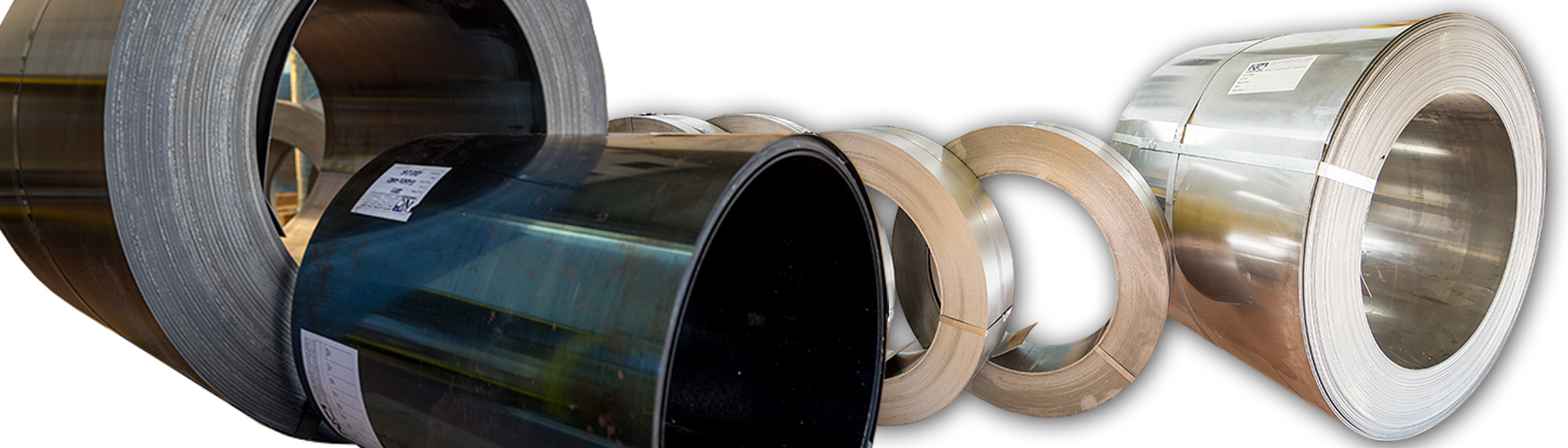
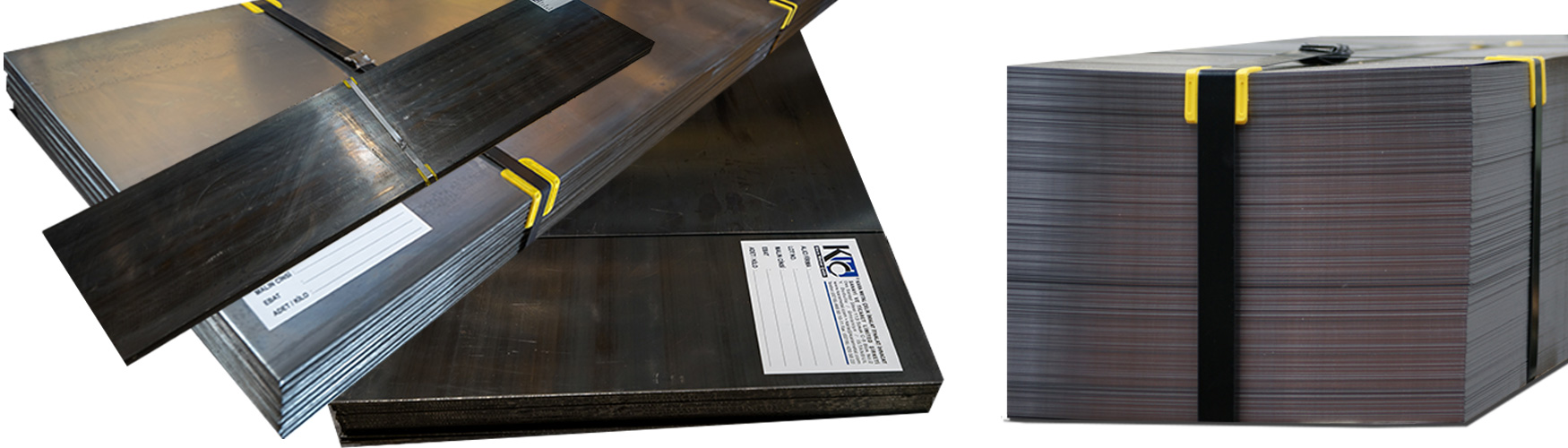
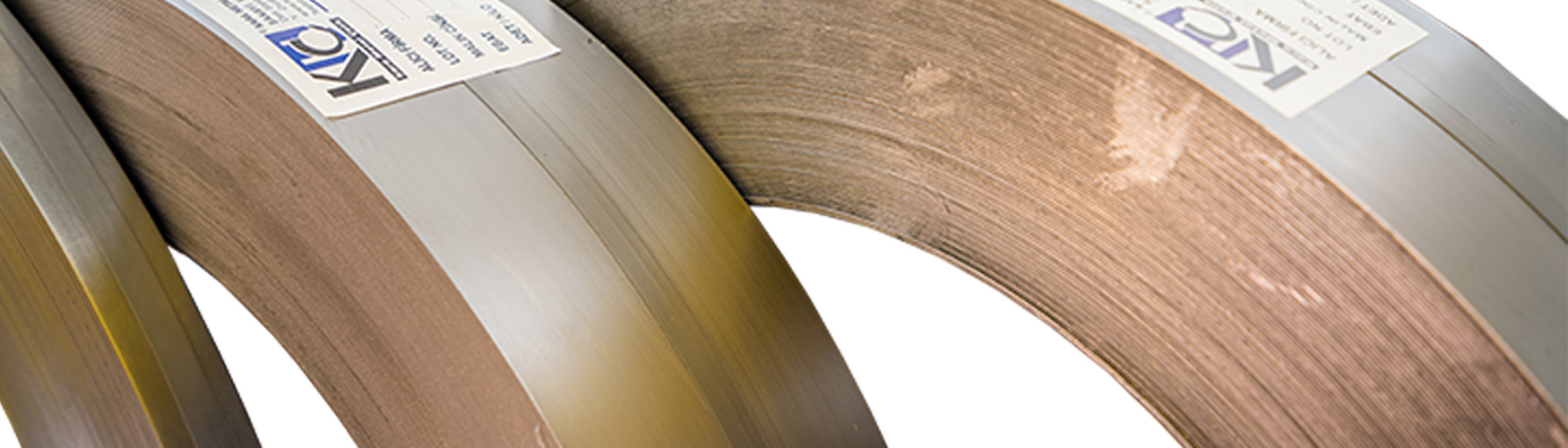
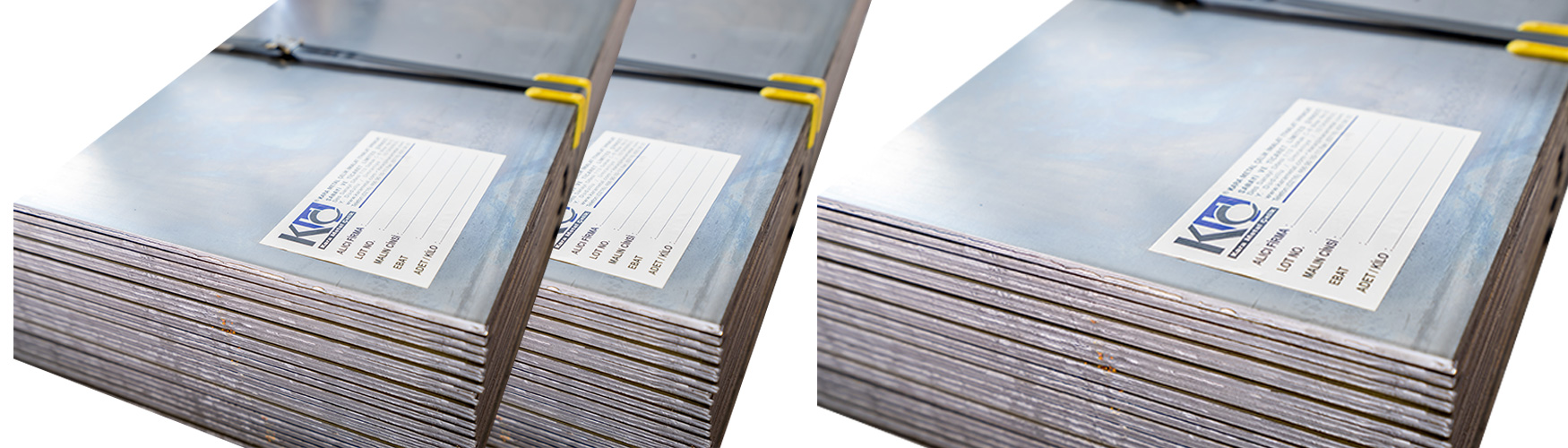
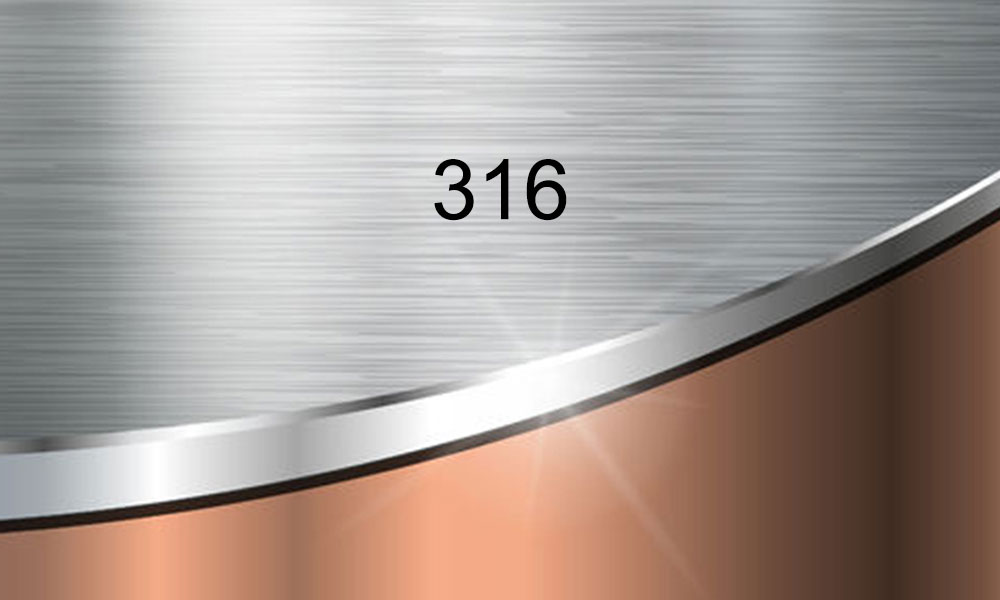
316 Stainless Steel – Properties and Applications
316 grade stainless steel offers high corrosion resistance against saltwater and chemical environments, excellent temperature resistance, protection against pitting corrosion, and high tensile strength. With its aesthetic surface, it meets both technical and visual requirements.
Key Features of 316 Grade Stainless Steel:
- Extremely high corrosion resistance. It provides long service life even in aggressive conditions such as saltwater, chlorinated environments, and acidic liquids.
- Superior resistance to pitting (localized) corrosion. This is a major advantage in sensitive applications where cracks or surface defects must be avoided.
- Thanks to its molybdenum content, it has high resistance to elevated temperatures. It maintains its form and mechanical properties even at high temperatures.
- Offers significantly higher tensile strength compared to 304 grade stainless steel. This makes it ideal for components operating under heavier loads or harsher conditions.
- Features a high-quality surface finish with an aesthetic appearance, meeting both technical and visual expectations.
Applications:
316 grade stainless steel is designed to be safely used even under the most demanding environmental conditions, making it indispensable in many critical applications:
- Marine industry: Widely used in ship equipment, dock hardware, ropes, and fasteners (bolts, nuts, rods)
- Chemical industry: Preferred for tanks, pipes, and processing equipment exposed to corrosive chemicals
- Food, paint, photography, and fertilizer industries: Used in production lines requiring both hygiene and chemical resistance
- Paper and acetic acid production: Provides long-lasting solutions in processes involving aggressive chemicals
- Coastal structures: Protects structural elements both functionally and aesthetically in high-corrosion-risk areas
- Medical, pharmaceutical, and healthcare industries: Preferred due to its hygienic surface and chemical resistance
Conclusion
Although 316 grade stainless steel may involve a higher initial cost, it provides significant long-term benefits in terms of quality, safety, and durability. For companies aiming to prevent costly failures and frequent part replacements, it is a highly reliable and cost-effective material choice over time.