
420 Stainless Steel – Properties and Applications
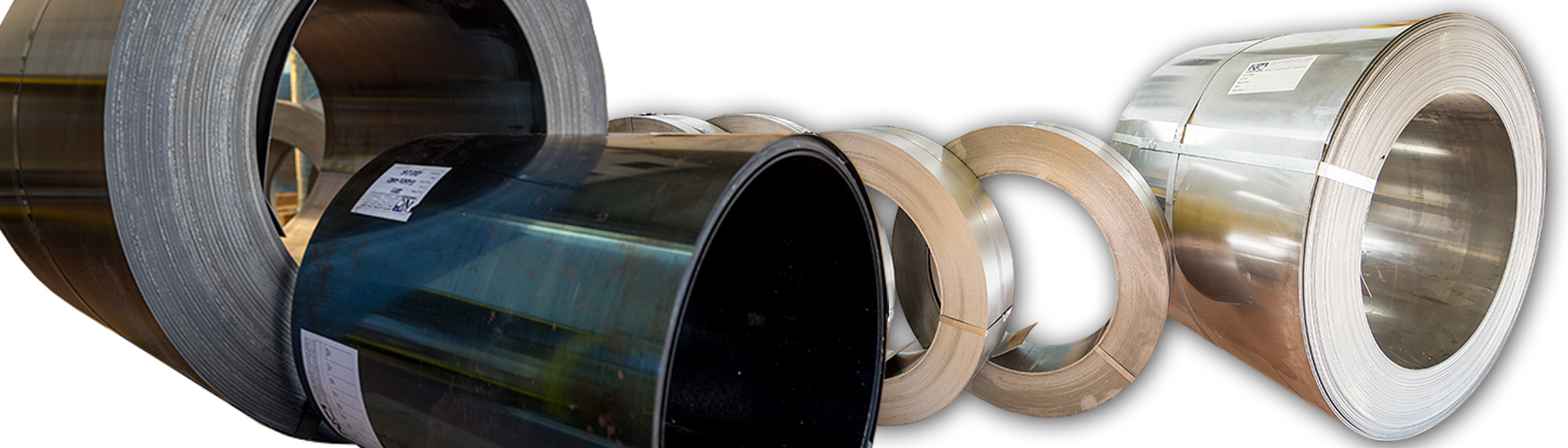
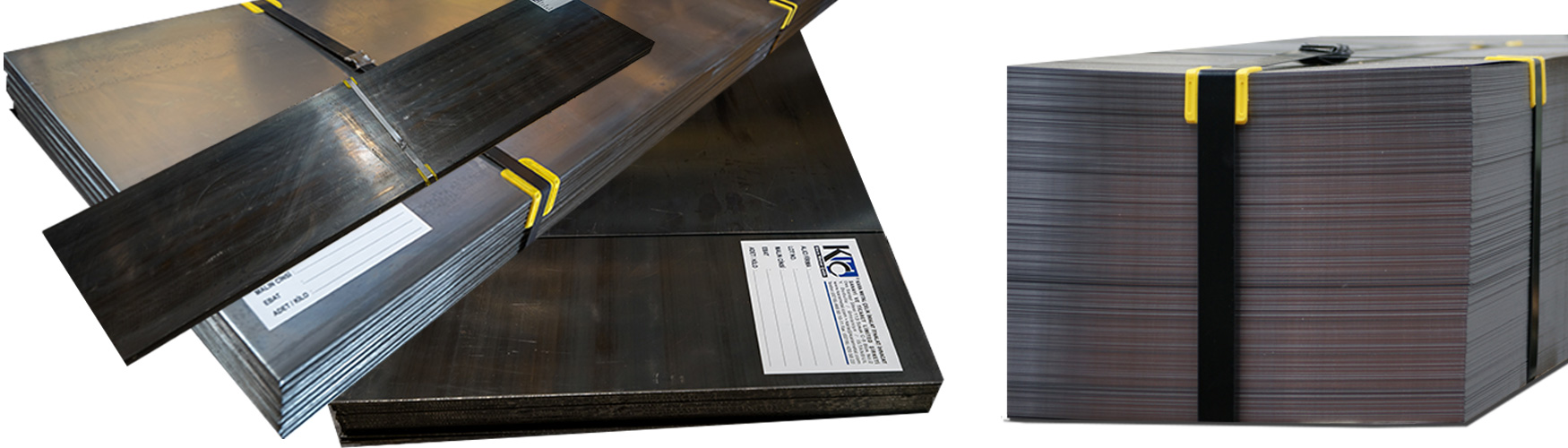
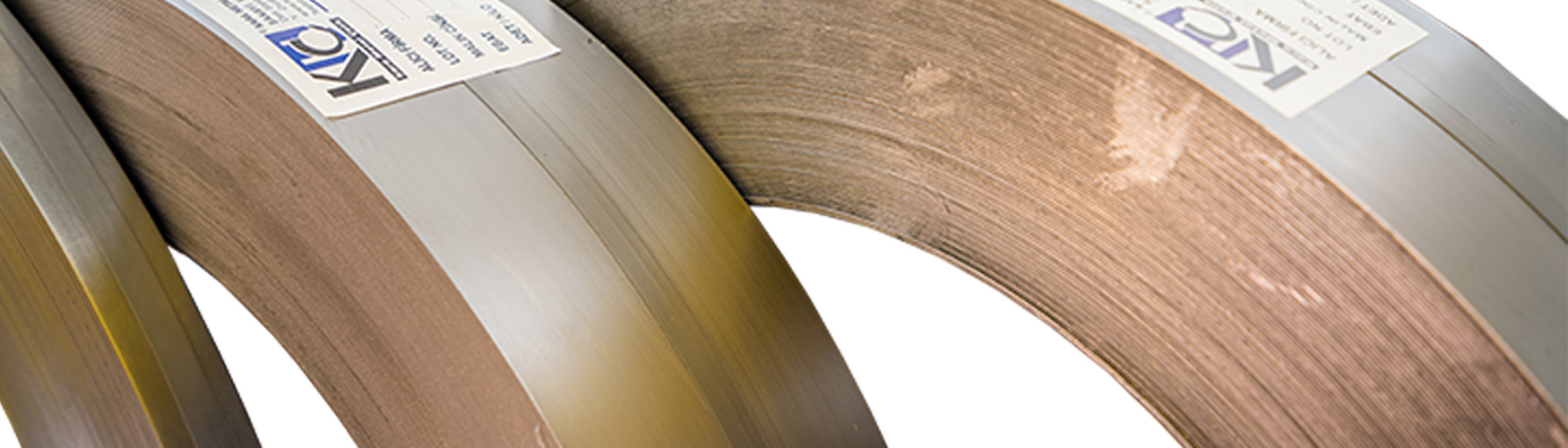
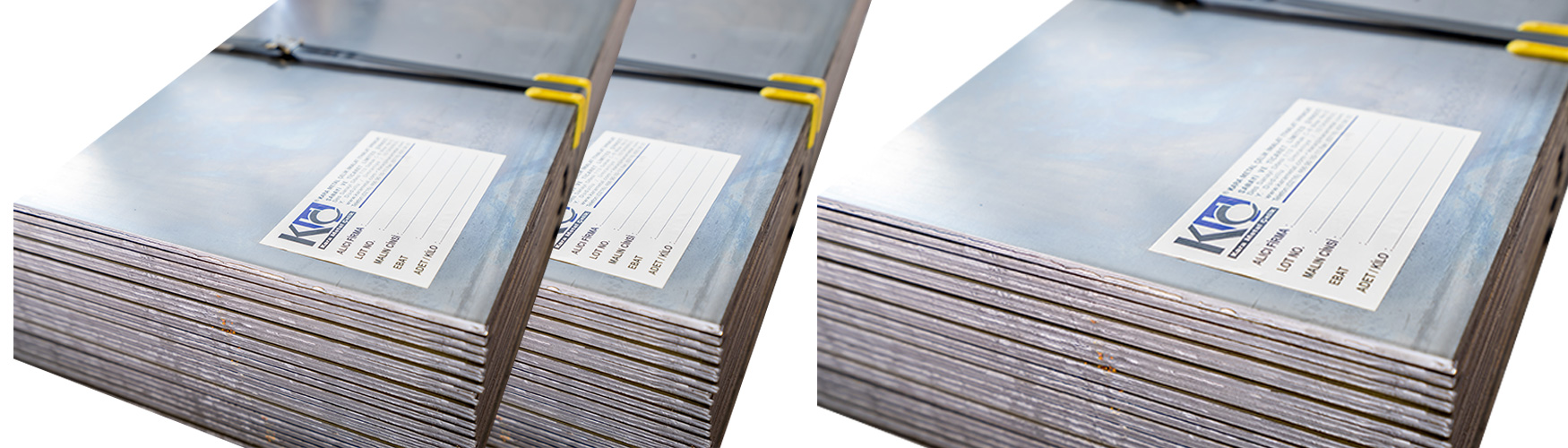
420 grade stainless steel belongs to the group of martensitic stainless steels. This group is known for its high mechanical strength and ability to be hardened through heat treatment. 420 grade steel contains a high amount of chromium in its structure; some variants may also include a small amount of nickel. Thanks to its excellent surface finish and machinability, it stands out both technically and aesthetically.
Key Features of 420 Grade:
- Can achieve high hardness values after heat treatment. This makes it possible to obtain surfaces with high wear resistance.
- Offers high tensile strength, ensuring long service life in components operating under harsh conditions.
- Provides excellent machinability in the annealed condition. This gives an advantage in machining processes during production. Chips break easily and do not form long coils, increasing efficiency during processing.
- High surface quality allows mirror-like finishes through polishing, offering advantages in applications requiring both technical performance and visual appeal.
- Strong mechanical strength makes it ideal for applications exposed to impact and wear.
- Compared to low-carbon austenitic steels, it is harder but has lower corrosion resistance. Therefore, it should be carefully selected for use in humid or chemically aggressive environments.
Applications:
420 grade stainless steel is especially preferred in applications requiring hardness, wear resistance, and aesthetic appearance. Common areas of use include:
- Machinery and automotive industry: Shafts, axles, gears, and connection parts exposed to wear
- Oil and petrochemical sector: Production of durable valves, pistons, and valve components
- Food industry: Knives, cutting tools, and equipment requiring hygienic surfaces
- Decoration and architectural applications: Areas requiring brightness and aesthetic appearance due to its polished surface
- Transportation vehicles: Components requiring mechanical strength, suspension parts, and special connection systems
- Shafts and pistons: Reliable choice for moving parts operating under load
420 grade stainless steel is a material that combines high hardness, machinability, and aesthetic appearance. However, it should be noted that its corrosion resistance is lower compared to austenitic steels such as 304 and 316; therefore, it is recommended to use it with protective measures in humid and chemically aggressive environments.