Steels and Steel Properties
Steels are among the most important structural materials of modern industry. Thanks to their strength, workability, and long service life, they are widely used across many different sectors. With the advancement of production technologies, numerous steel grades have been developed to meet various industrial requirements. When steels are evaluated in terms of their properties, they are classified according to several factors such as chemical composition, mechanical strength, hardness, corrosion resistance, and formability.
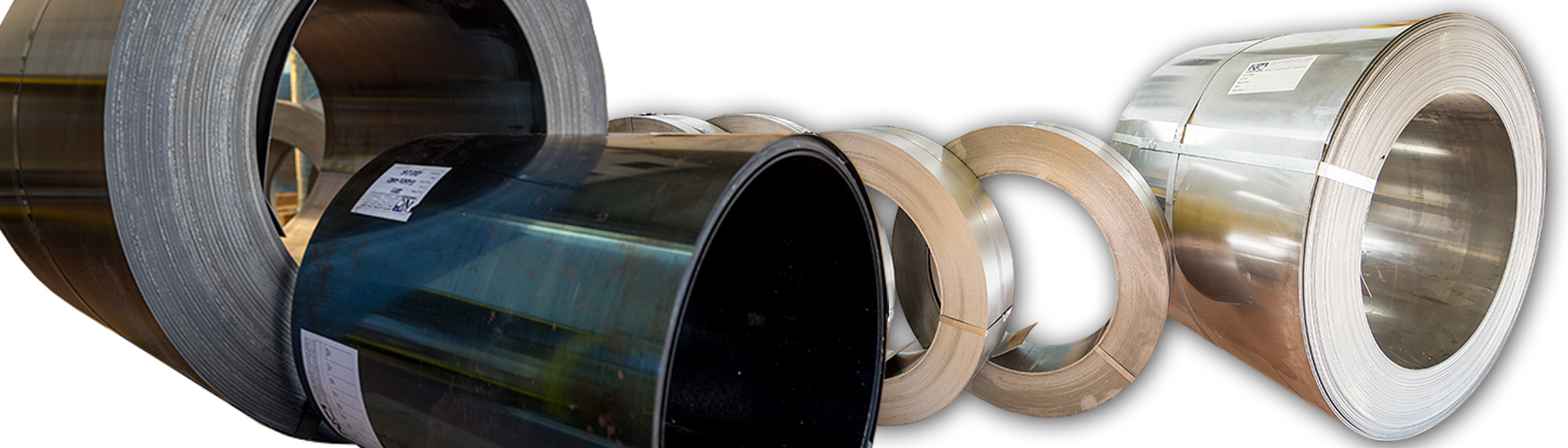
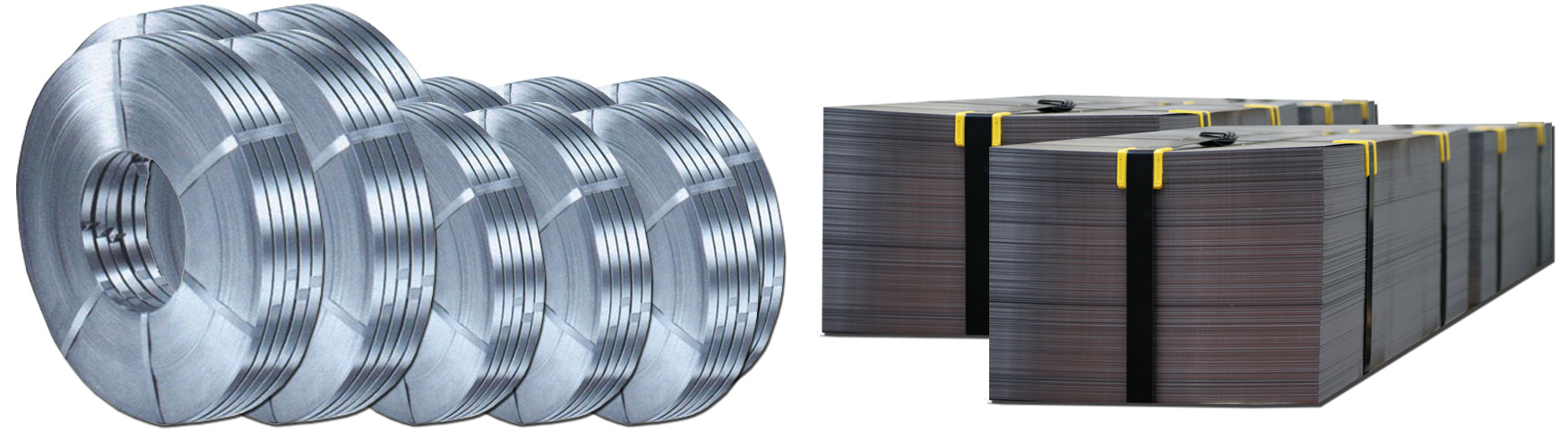
When considered according to production methods, cold rolled steels are preferred in applications requiring high surface quality and precise dimensions. These steels are widely used particularly in the automotive, household appliance, and machinery manufacturing industries. Water-quenched spring steels, on the other hand, play an important role in the production of mechanical components such as springs, washers, and retaining rings, thanks to their high elasticity and strength. In addition, non-water-hardenable steels are commonly used in machine components that require surface hardness and durability.
Within the stainless steel family, austenitic steels stand out due to their excellent corrosion resistance and good formability. In addition to basic austenitic steels, high-strength, deep drawing, and wear-resistant austenitic steel grades have been developed to meet various industrial demands. Ferritic steels are also widely preferred due to their economic advantages and good corrosion resistance. Basic ferritic steels, wear-resistant ferritic steels, and special ferritic steel grades play a significant role in many industrial manufacturing processes.
In conclusion, when steels are evaluated in terms of their properties, each steel grade offers solutions tailored to the needs of different industries. Selecting the appropriate steel grade not only improves production efficiency but also ensures that final products are durable, reliable, and long-lasting.