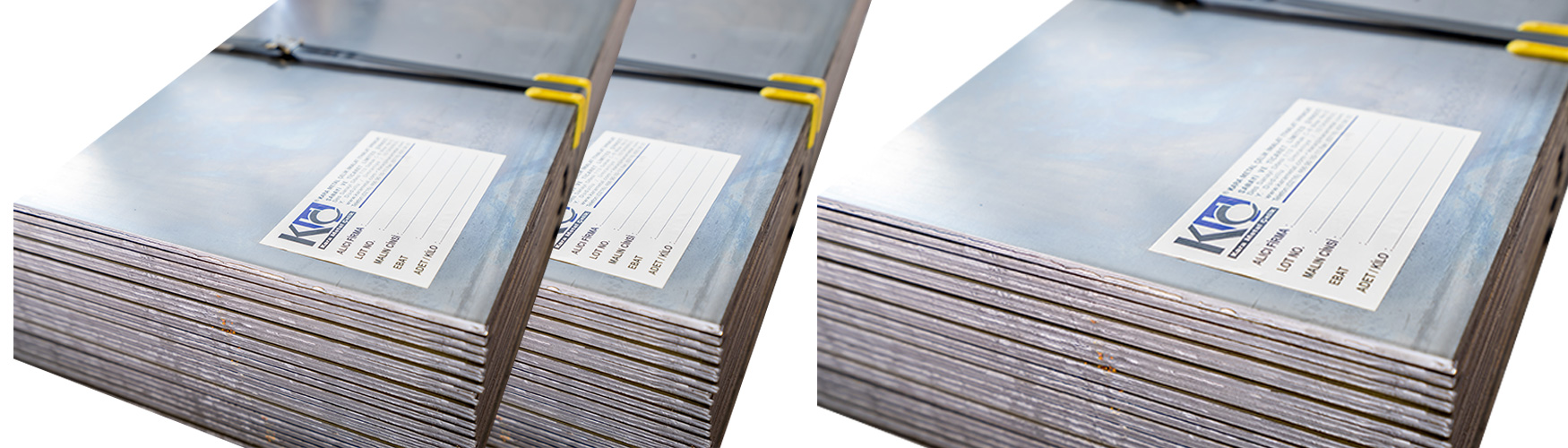
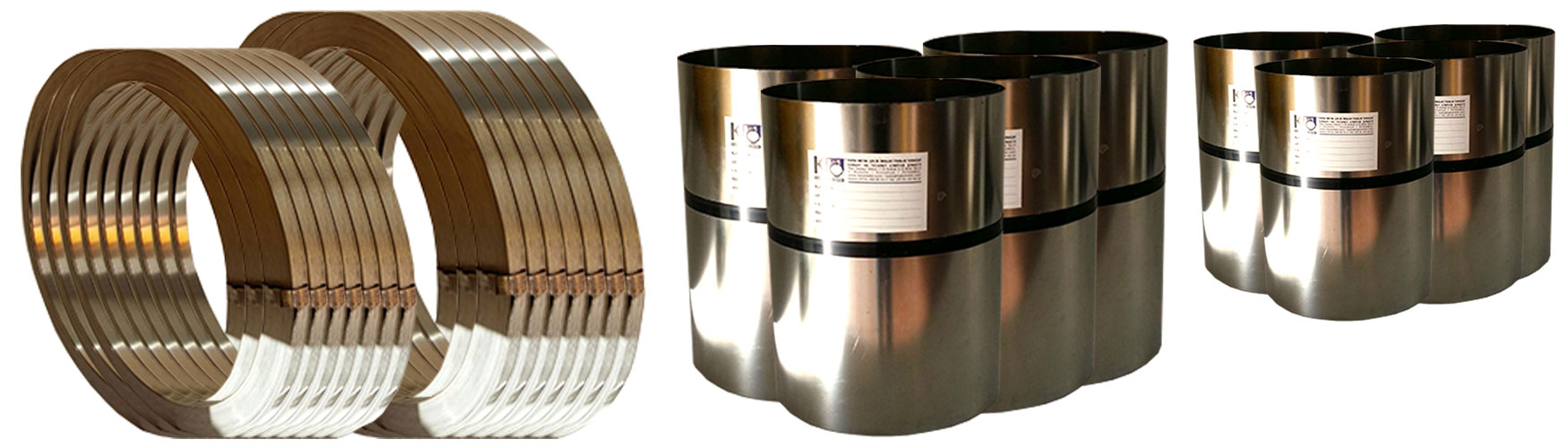
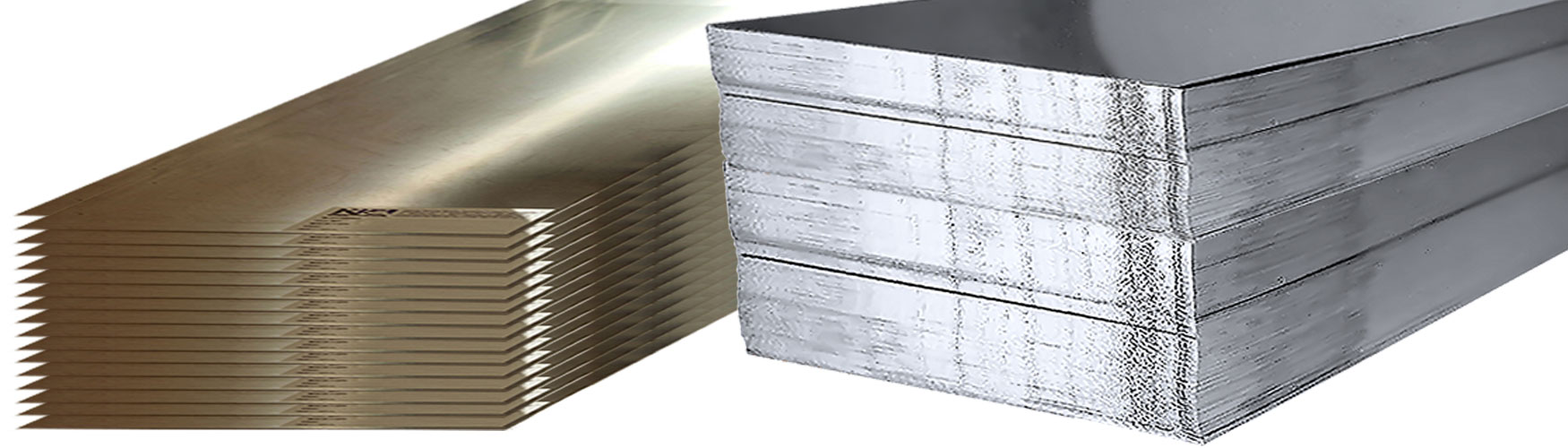
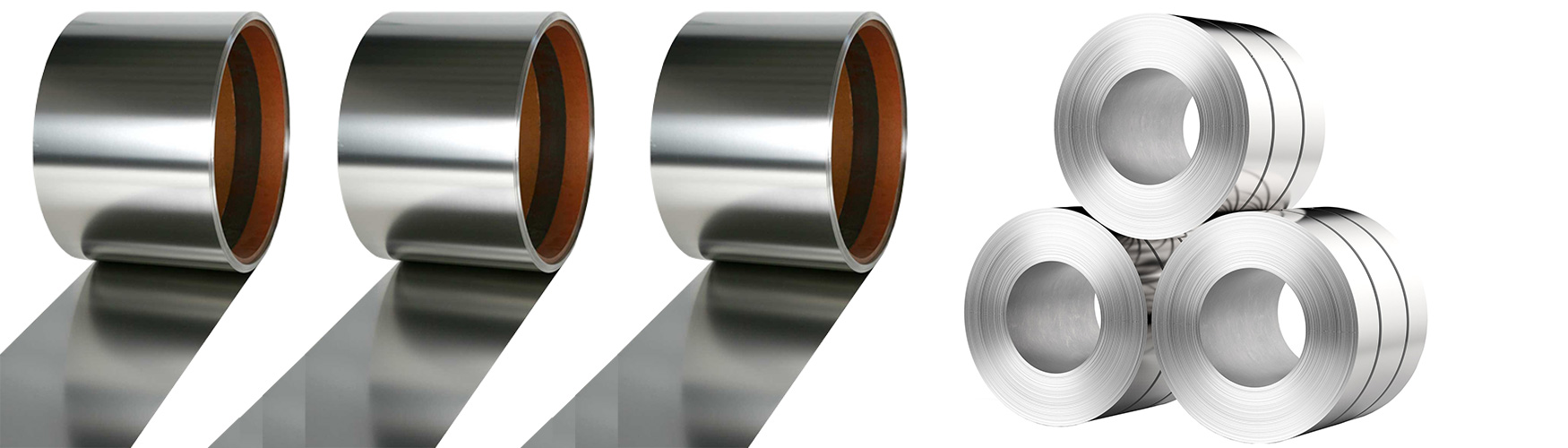
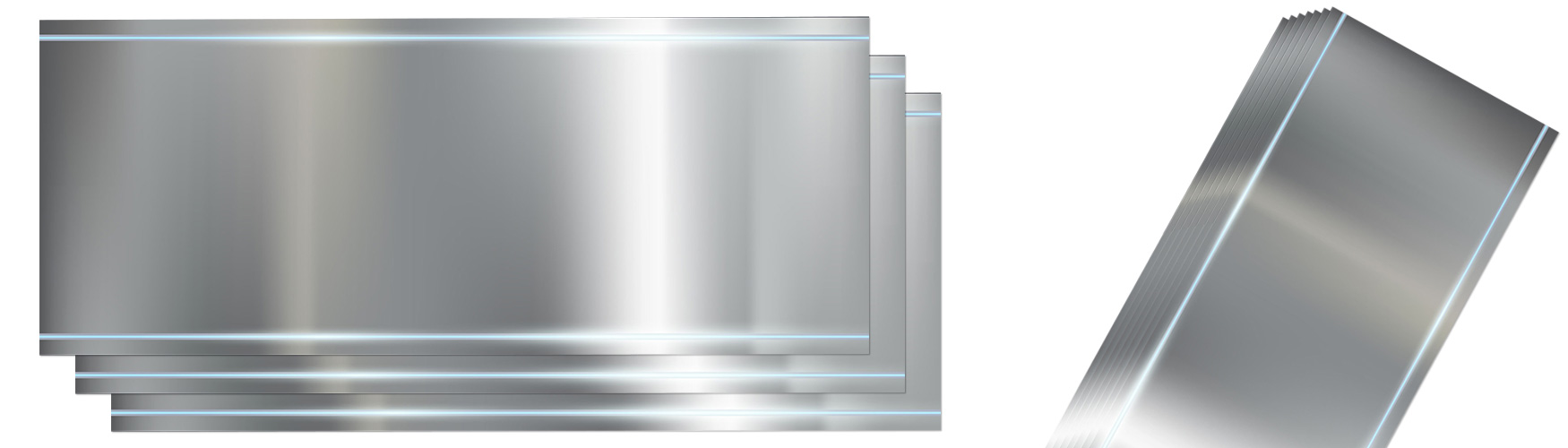
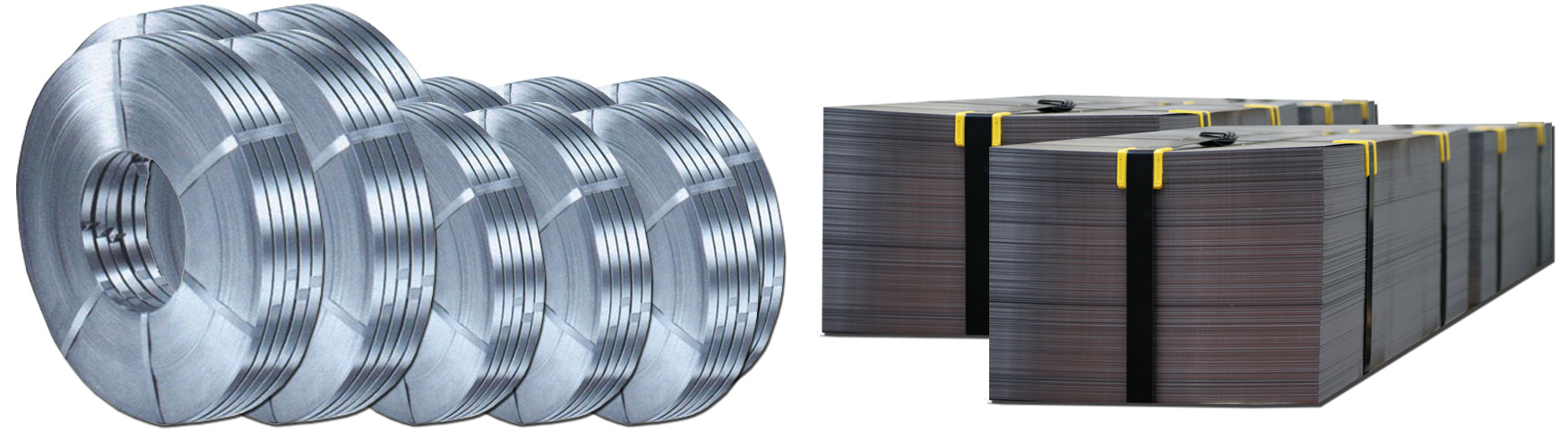
Basic Austenitic Steels
X2CrNiMo17-12-2 – 1.4404 / 316L / Z3CND18 / 316S11 / 0Cr18Ni12Mo2Ti / 00H17N14M2 / Type19
X2CrNiMo17-12-2 – 1.4404 stainless steel belongs to the group of austenitic stainless steels and is widely used in applications requiring high corrosion resistance. Commonly known as AISI 316L, this grade stands out with its enhanced chemical resistance compared to the 304 series. Its composition typically includes 16–18% chromium, 10–14% nickel, and 2–3% molybdenum, which provides excellent resistance, especially in chloride-containing environments.
The most important distinguishing feature of 316L steel is its low carbon content (L: Low Carbon). This characteristic minimizes the risk of intergranular corrosion after welding, making it highly suitable for welded constructions. It also delivers long-term performance in chemical and marine environments.
In addition to its durability, this steel is also notable for its good workability and hygienic properties. Its smooth surface and ease of cleaning make it indispensable in industries such as food processing, pharmaceuticals, and medical applications. Its resistance to bacterial growth provides a significant advantage in environments where hygiene is critical.
316L stainless steel is suitable for both hot and cold forming processes. It offers excellent weldability and can be easily adapted to various manufacturing techniques. In addition, it provides an aesthetic and modern surface appearance, making it suitable for decorative and architectural uses.
From a mechanical perspective, it offers moderate strength combined with high ductility, allowing it to deform without fracturing under impact and perform reliably under demanding service conditions.
X2CrNiMo17-12-2 – 1.4404 steel stands out as a durable, long-lasting, and reliable engineering material, particularly in harsh and aggressive environments. It is an ideal solution for applications where both technical performance and hygiene requirements must be met.
Main Application Areas
- Marine and shipbuilding equipment
- Chemical and petrochemical plants
- Food and beverage processing equipment
- Pharmaceutical and medical device manufacturing
- Tanks, pipes, and storage systems
- Architectural and exterior applications
- Heat exchangers and process equipment
- Specialized components in the automotive industry
- All industrial applications requiring high corrosion resistance
Thanks to these properties, X2CrNiMo17-12-2 – 1.4404 (AISI 316L) stainless steel is widely recognized as one of the most reliable materials for use in aggressive and corrosive environments.
General Identity
X2CrNiMo17-12-2 – 1.4404
| Grade |
X2CrNiMo17-12-2 |
| Number |
1.4410 |
| Classification |
Austenitic Stainless Steel |
Equivalent Grades
X2CrNiMo17-12-2 – 1.4404
| USA |
316L |
| Germany, DIN |
X2CrNiMo17-13-2 |
| France, AFNOR |
Z2CND17-12
Z3CND17-11-02
Z3CND18-12-02 |
| England, BS |
316S11 |
| Italy, UNI |
X2CrNiMo17-12
X2CrNiMo17-17-12 |
| China, GB |
00Cr17Ni14Mo2
0Cr18Ni12Mo2Ti |
| Sweden, SS |
2348 |
| Poland, PN |
00H17N13M2
00H17N14M2 |
| Czechia, CSN |
17349 |
| Finland, SFS |
750 |
| Austria, ONORM |
X2CrNiMo17-13-2KKW |
| Inter, ISO |
Type19 |
Standards
X2CrNiMo17-12-2 – 1.4404
| Standard 1 |
EN 10088-2: 2005 |
| Standard 2 |
EN 10088-3: 2005 |
| Standard 3 |
EN 10028-7: 2007 |
| Standard 4 |
EN 10216-5: 2014 |
| Standard 5 |
EN 10217-7: 2005 |
| Standard 6 |
EN 10296-2: 2005 |
| Standard 7 |
EN 10253-3: 2008 |
| Standard 8 |
EN 10253-4: 2008 |
| Standard 9 |
EN 10272: 2007 |
| Standard 10 |
EN 10269: 1999 |
| Standard 11 |
EN 10263-5: 2001 |
| Standard 12 |
EN 10250-4: 2000 |
| Standard 13 |
EN 10297-2: 2005 |
| Standard 14 |
EN 10222-5: 2000 |
| Standard 15 |
EN 10088-1: 2005 |
| Standard 16 |
EN 10088-4: 2009 |
| Standard 17 |
EN 10088-5: 2009 |
Chemical Composition
X2CrNiMo17-12-2 – 1.4404
| C |
max 0.05 |
| Si |
max 1.00 |
| Mn |
2.00 |
| Ni |
10 – 13 |
| P |
max 0.045 |
| S |
max 0.015 |
| Cr |
16.5 – 18.5 |
| Mo |
22.50 |
| N |
max 0.11 |
Mechanical Properties
X2CrNiMo17-12-2 – 1.4404
| Rm – Tensile strength (MPa) (+A) |
490 – 700 |
| Rm – Tensile strength (MPa) (+AT) |
490 – 690 |
| Rm – Tensile strength (MPa) (+AT+C) |
750 – 780 |
| Rp0.2 0.2% proof strength (MPa) (+AT) |
190 |
| Rp0.2 0.2% proof strength (MPa) (+A) |
190 – 235 |
| KV – Impact energy (J) transverse, (+A) |
+20° – 60 |
-196° – 60 |
| KV – Impact energy (J) longitud., (+A) |
+20° – 100 |
| A – Min. elongation at fracture (%) (+A) |
30 – 45 |
| A – Min. elongation at fracture (%) longitud (+A) |
40 |
| Nominal diameter(mm) |
2 – 50 |
| Z – Reduction in cross section on fracture (%) |
63 – 68 |
| Birinel hardness (HB) (+A): |
215 |
| Birinel hardness (HB) (+AT): |
200 |