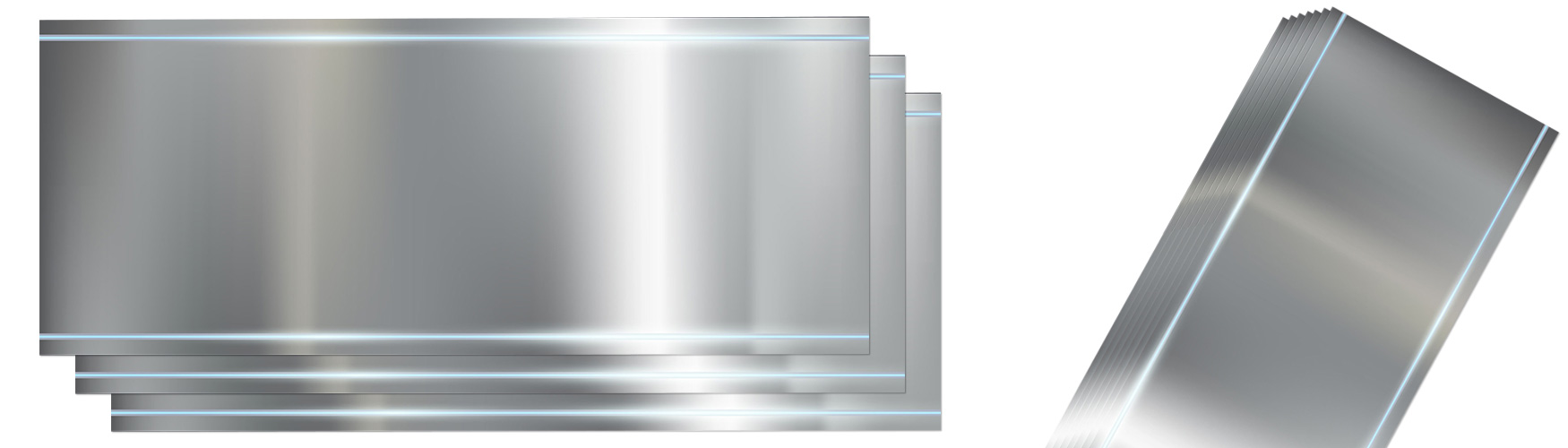
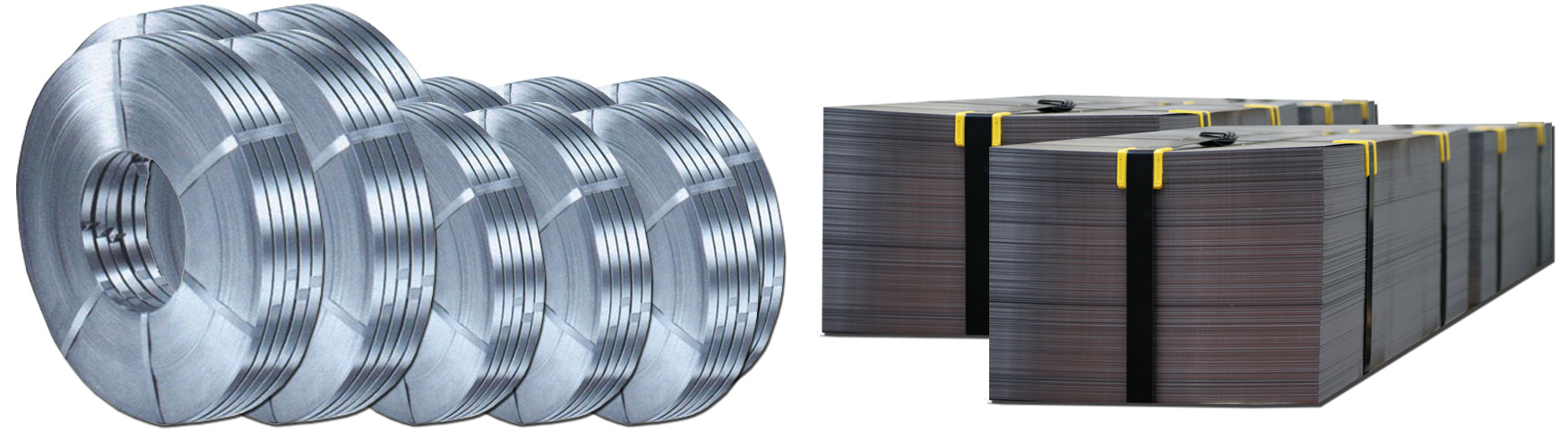
Basic Austenitic Steels
X5CrNi18-10 – 1.4301 / SUS 304 / X5CrNi18-9 / 301S21 / 0Cr18Ni9 / 1.7240 / 725
X5CrNi18-10 – 1.4301 stainless steel is one of the most widely used austenitic stainless steels worldwide. Commonly known as AISI 304 or SUS 304, this material offers an excellent balance of corrosion resistance, formability, and processability due to its well-optimized chemical composition. With approximately 18% chromium and 8–10% nickel content, it provides strong resistance to corrosion while also delivering a bright and aesthetically appealing surface finish.
One of the key advantages of this steel grade is its versatility. It is suitable for both hot and cold forming processes, which makes it highly practical in manufacturing. The material performs reliably during operations such as bending, cutting, welding, and deep drawing. In addition, its excellent weldability allows different components to be easily joined without compromising structural integrity.
X5CrNi18-10 – 1.4301 steel demonstrates high resistance to corrosion, making it ideal for use in humid, chemical, or outdoor environments. It is also widely used in food-contact applications due to its hygienic properties. Its easy-to-clean surface and resistance to bacterial growth make it particularly suitable for the food and healthcare industries.
In terms of mechanical properties, this steel offers moderate strength combined with high ductility. This allows the material to deform under impact without fracturing, providing additional reliability in demanding applications. Furthermore, its attractive appearance makes it a popular choice for decorative and architectural uses.
X5CrNi18-10 – 1.4301 stainless steel has become an indispensable material in modern industry thanks to its durability, workability, and wide range of applications. Its ability to meet both technical and aesthetic requirements makes it a preferred choice across numerous sectors.
Main Application Areas
- Food and beverage industry equipment
- Kitchenware and household products
- Components used in chemical and petrochemical plants
- Medical equipment and hygienic applications
- Architectural and decorative stainless steel applications
- Pipes, tanks, and storage systems
- Various components in the automotive industry
- Industrial machinery and equipment manufacturing
- Facade cladding and structural elements
Thanks to these properties, X5CrNi18-10 – 1.4301 (AISI 304) stainless steel remains one of the most preferred materials in applications requiring durability, hygiene, and corrosion resistance.
General Identity
X5CrNi18-10 – 1.4301
| Grade |
X5CrNi18-10 |
| Number |
1.4301 |
| Classification |
Austenitic Stainless Steel |
Equivalent Grades
X5CrNi18-10 – 1.4301
| USA |
304 – 304N |
| Germany, DIN |
X5CrNi18-9 |
| Japan, Jis |
SUS304 |
| France, AFNOR |
X5CrNi18-10
Z5CN18-09
Z6CN18-09
Z7CN18-09
|
| England, BS |
301S21
302S26
|
| Italy, UNI |
X5CrNi18-10 |
China, GB |
X5CrNi18-10 |
Sweden, SS |
2333-02 |
Poland, PN |
0H18N9 |
Czechia, CSN |
17240 |
Finland, SFS |
725 |
Austria, ONORM |
X5CrNi18-10S |
Standards
X5CrNi18-10 – 1.4301
| Standard 1 |
EN 10088-2: 2005 |
| Standard 2 |
EN 10088-3: 2005 |
| Standard 3 |
EN 10028-7: 2007 |
| Standard 4 |
EN 10222-5: 2000 |
| Standard 5 |
EN 10151: 2003 |
| Standard 6 |
EN 10216-5: 2014 |
| Standard 7 |
EN 10217-7: 2005 |
| Standard 8 |
EN 10296-2: 2005 |
| Standard 9 |
EN 10253-3: 2008 |
| Standard 10 |
EN 10253-4: 2008 |
| Standard 11 |
EN 10269-4: 1999 |
| Standard 12 |
EN 10272: 2007 |
| Standard 13 |
EN 10263-5: 2001 |
| Standard 14 |
EN 10250-4: 2000 |
| Standard 15 |
EN 10297-2: 2005 |
| Standard 16 |
EN 10088-4: 2009 |
| Standard 17 |
EN 10088-5: 2009 |
Chemical Composition
X5CrNi18-10 – 1.4301
| C |
max 0.07 |
| Si |
max 1.00 |
| Mn |
max 2.00 |
| Ni |
8 – 10.5 |
| P |
max 0.045 |
| S |
max 0.015 |
| Cr |
17.5 – 19.5 |
| N |
max 0.11 |
Mechanical Properties
X5CrNi18-10 – 1.4301
| Rm – Tensile strength (MPa) (+A) |
500 – 750 |
| Rm – Tensile strength (MPa) (+AT) |
500 – 700 |
| Rm – Tensile strength (MPa) (+AT+C) |
780 – 820 |
| Rp0.2 0.2% Geçirmezlik Direnci (MPa) (+At) |
195 |
| Rp0.2 0.2% Geçirmezlik Direnci (MPa) (+A) |
190 – 235 |
| KV – Inpact energy (J) transverse (+A) |
+20° – 60 |
-196° – 60 |
KV – Inpact energy (J) longitud (+A) |
+20° – 100 |
… |
| A – Min. elongation at fracture (%) (+A) |
35 – 45 |
| A – Min. elongation at fracture (%) longitud., (+AT) |
40 |
| Vickers hardness (HV) (+CR): |
220 – 450 |
| Brinell hardness (HB) (+A): |
215 |
| Brinell hardness (HB) (+AT): |
200 |
Precısıon Cuttıng and On-Tıme Delıvery
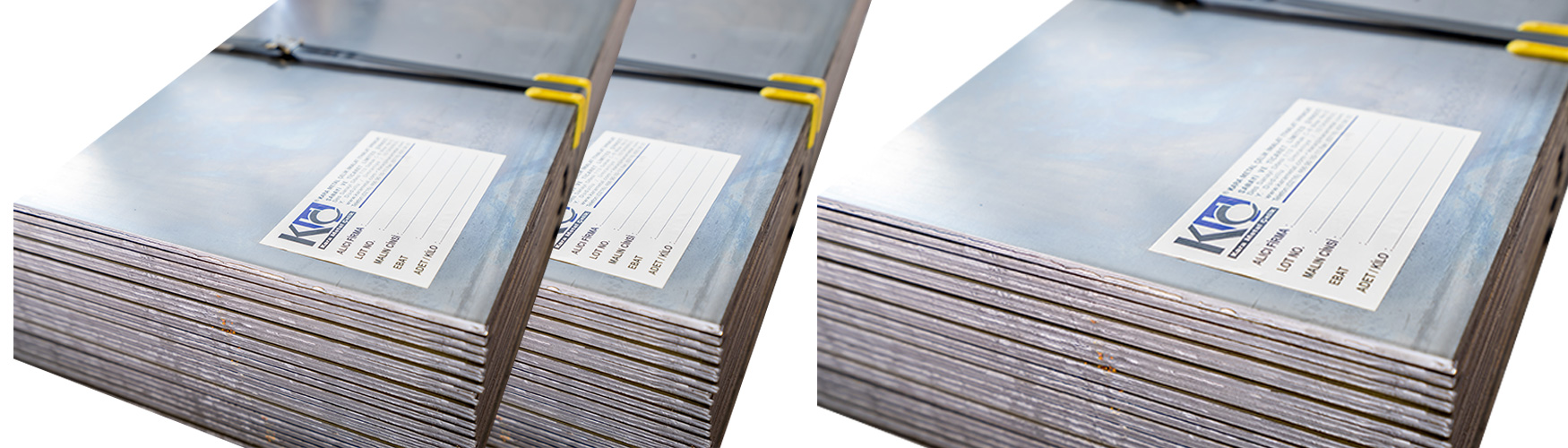
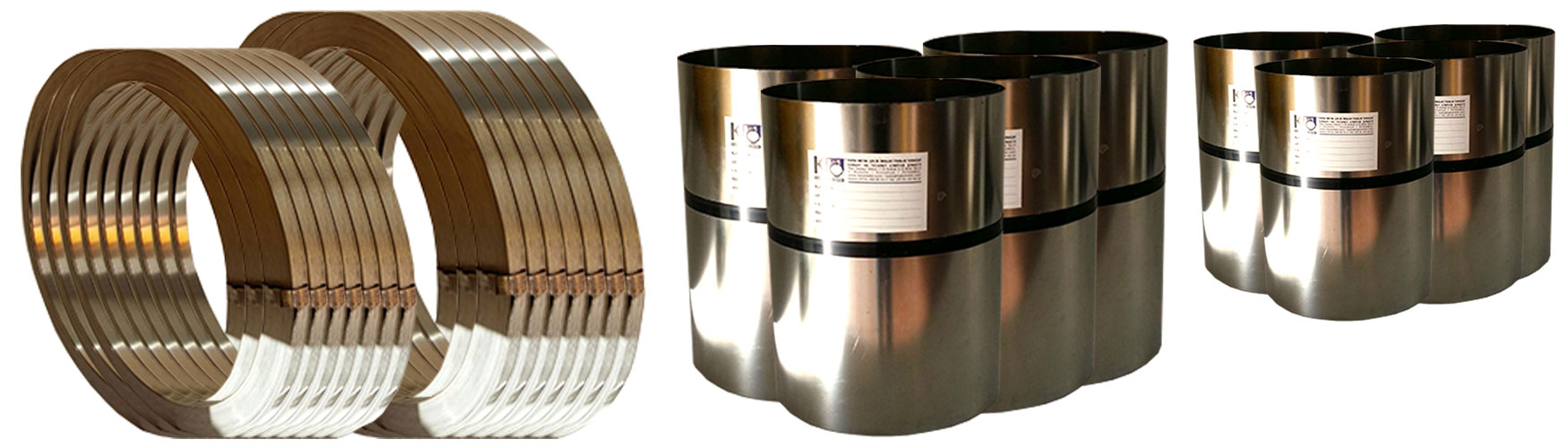
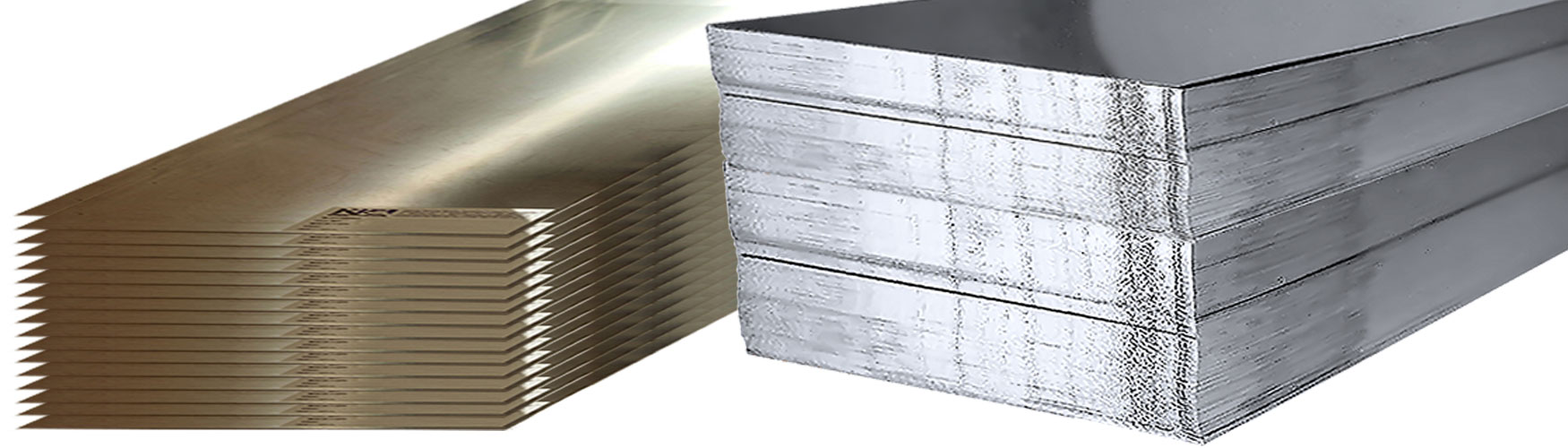
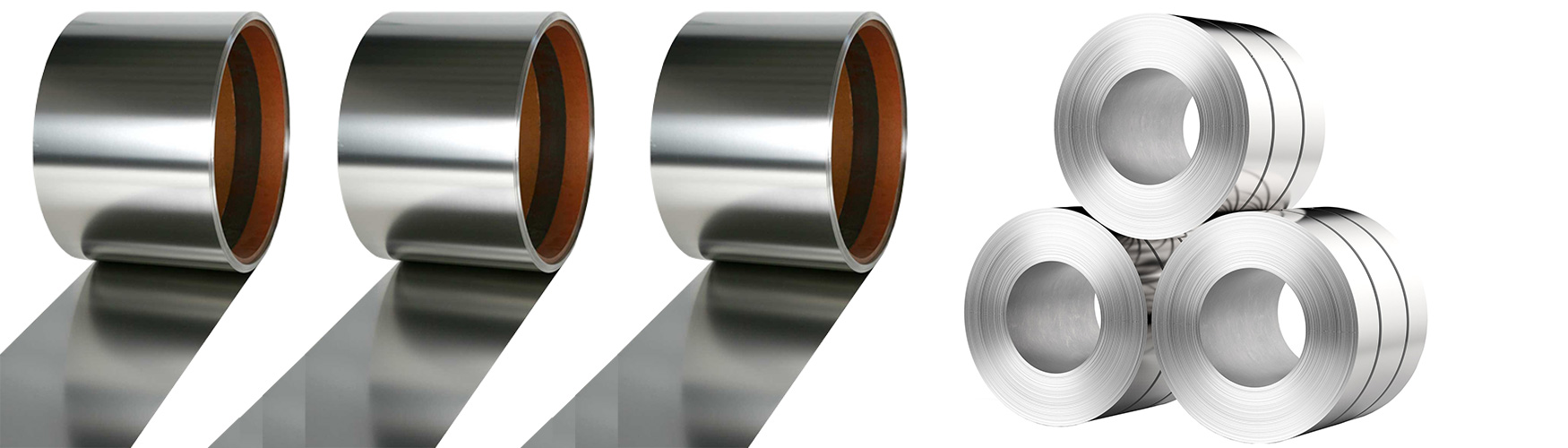
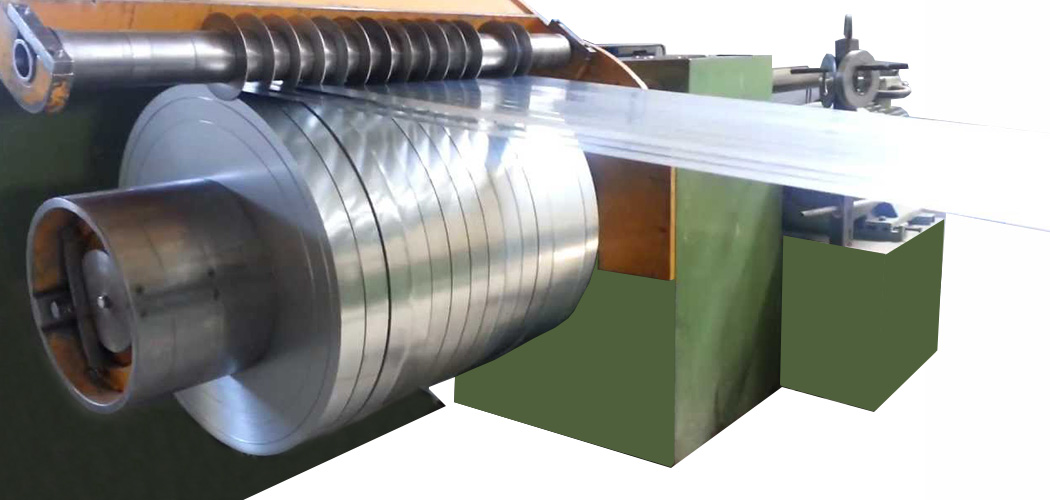
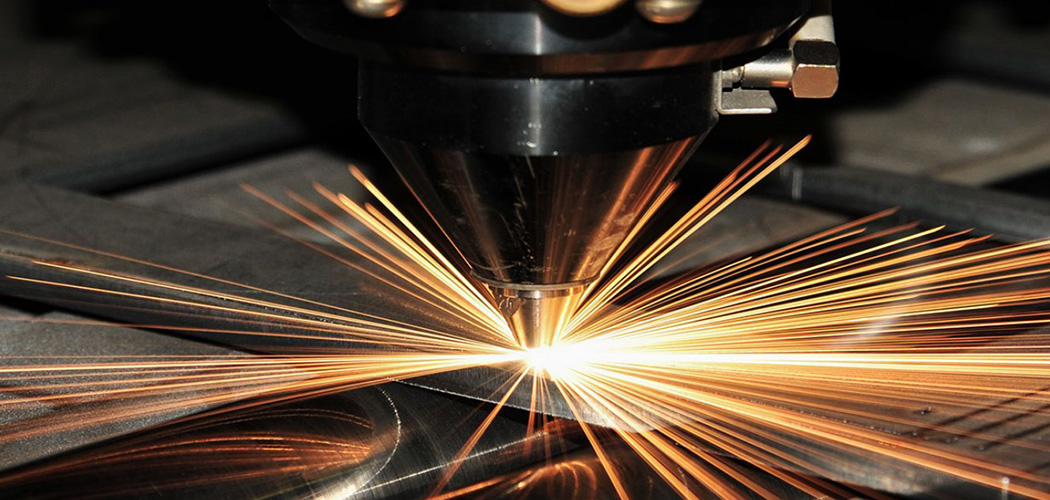
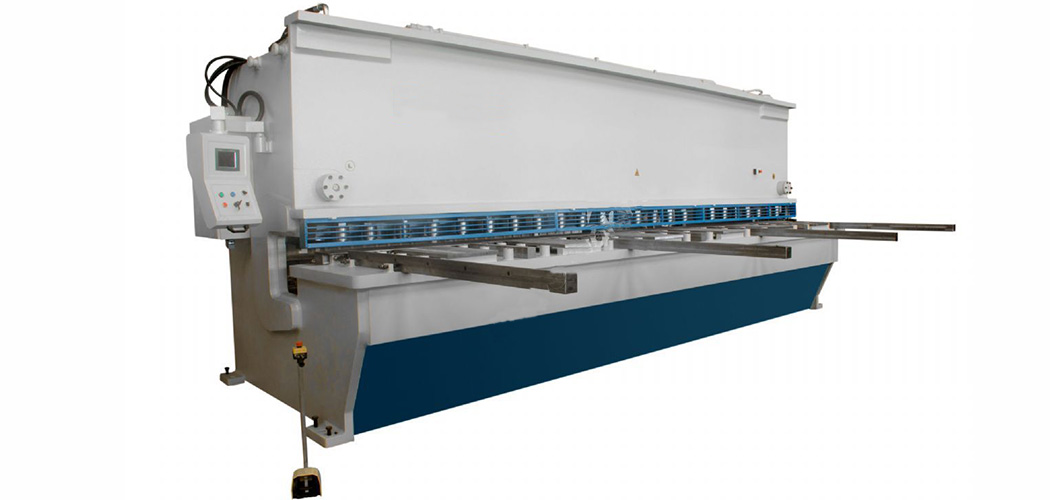
Karametal Steel is a leader in the production and supply of spring steel products. The company provides specialized solutions for industries such as automotive, household appliances, defense, and hand tools. With its modern facilities, wide range of steel products, precision cutting technology, and commitment to on-time delivery, Karametal Steel offers reliability and high-quality service to its customers.