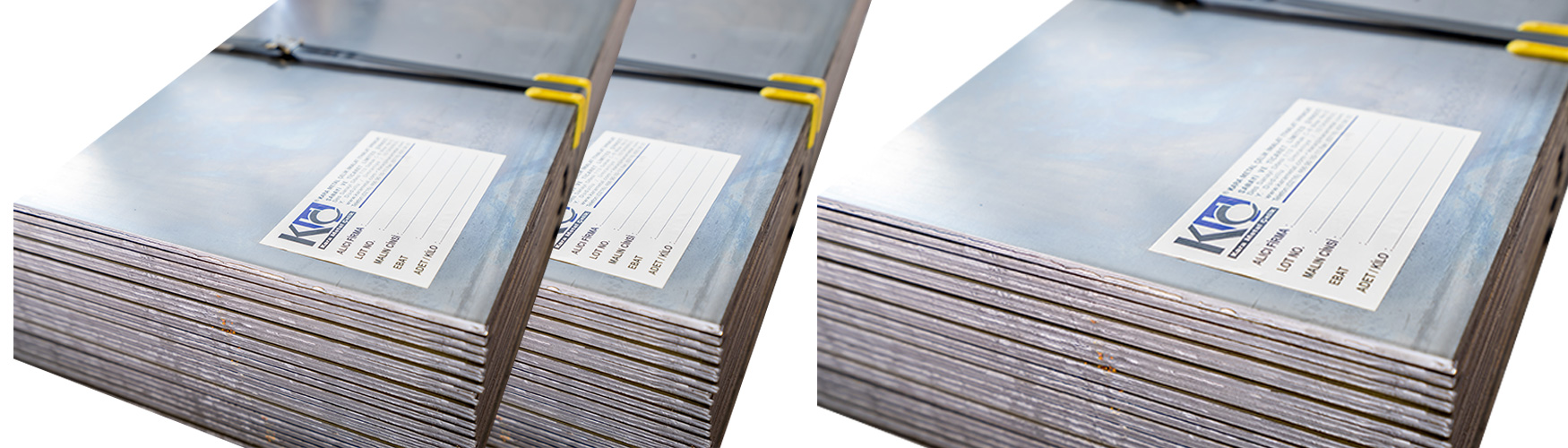
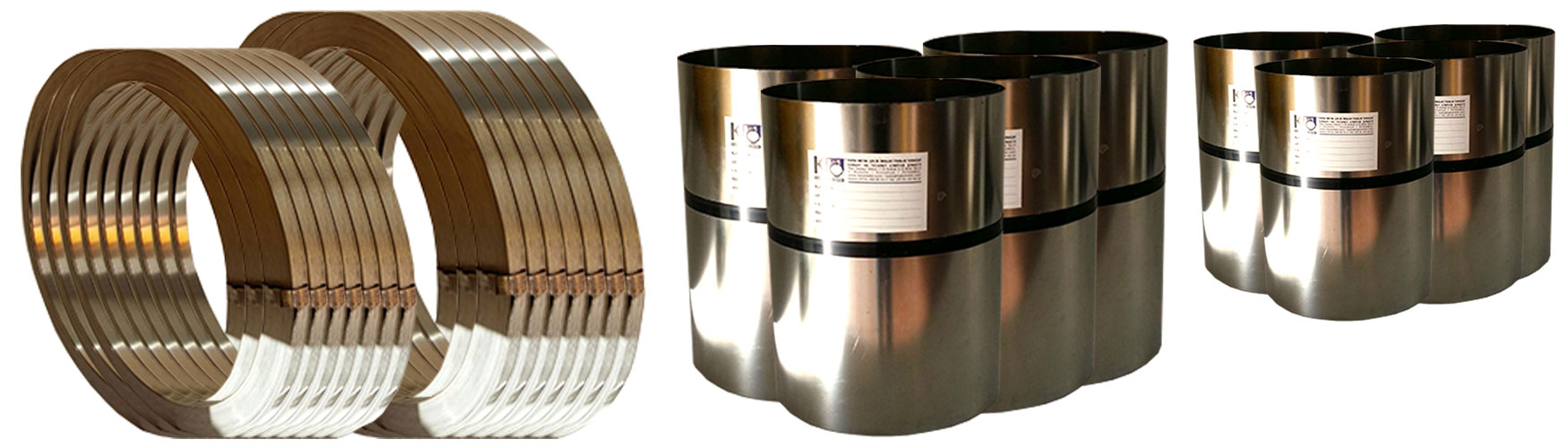
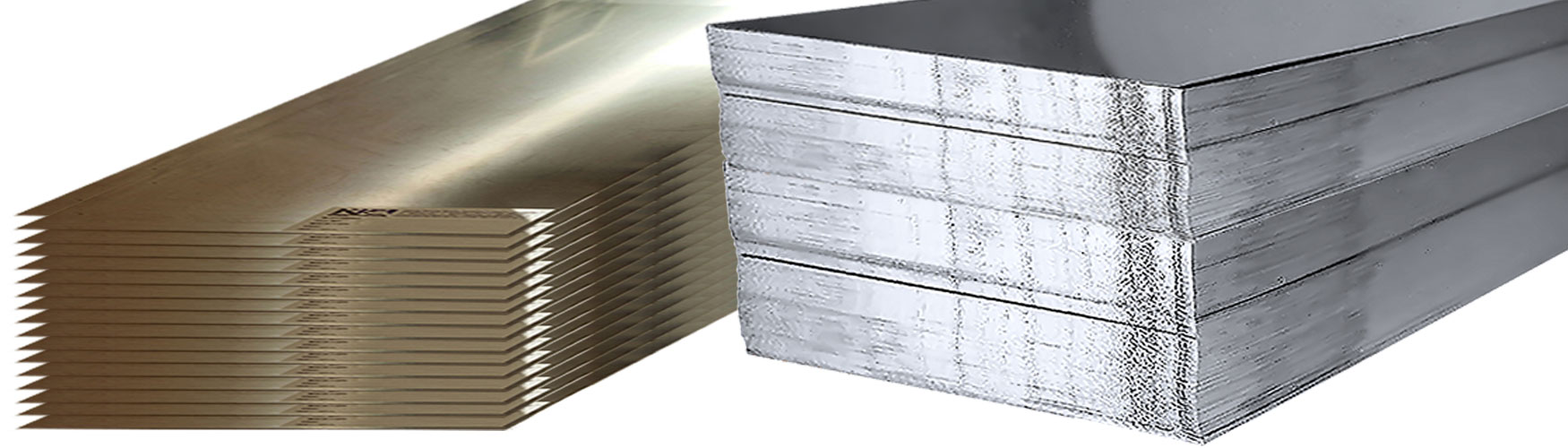
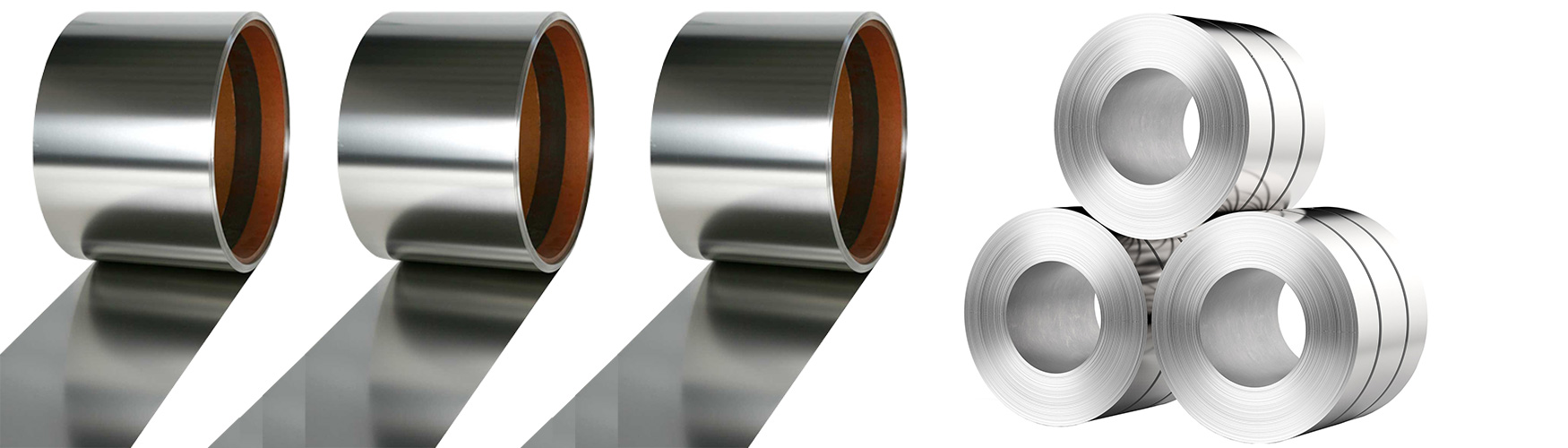
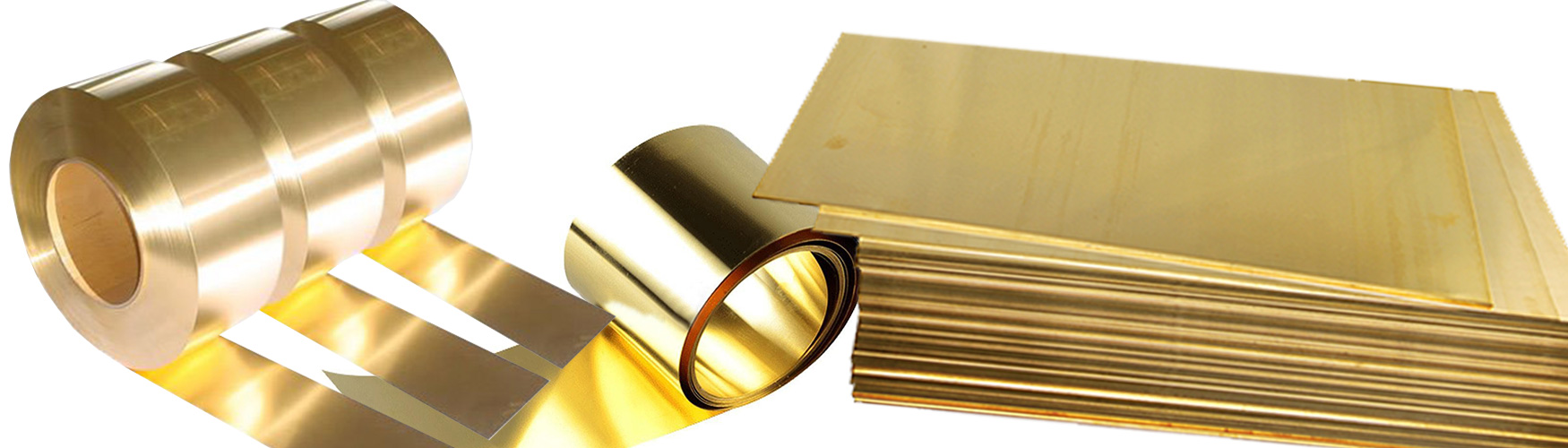
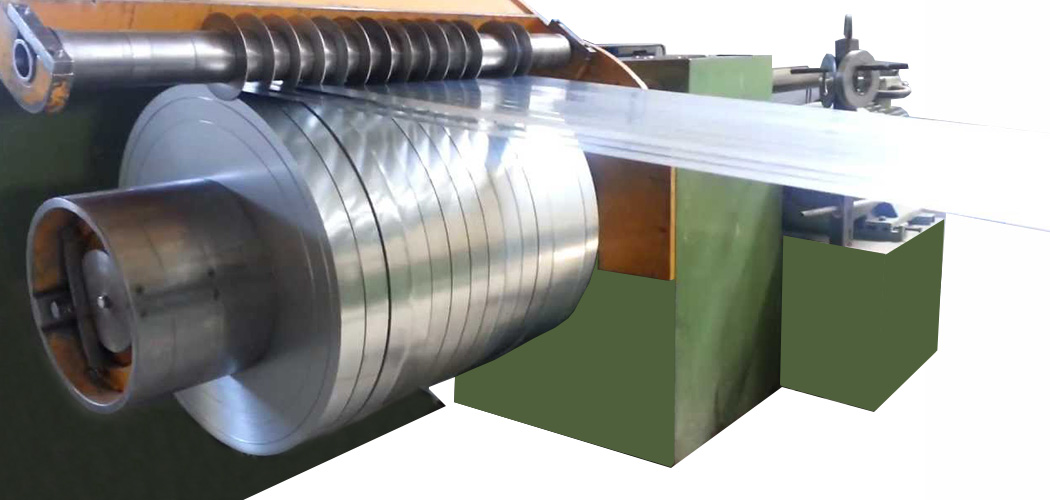
Cold Rolled Steels
C10E – 1.1121 / Ck10 / Ck15 / XC10 / XC12 / 045M10 CS12 / C10 / C15 / C10k / C10 C15M2
C10E – 1.1121 and similar grades belong to the group of low-carbon structural steels and are widely used in various industrial applications. Although these steels are referred to by different designations in different national standards, they essentially share similar chemical and mechanical properties. For example, this grade is known as C10E – 1.1121 in Germany, 045M10 in the United Kingdom, XC10 in France, and may also appear as Ck10 or C15 in other standards. These varying designations allow the material to be widely recognized and used in international trade and engineering applications.
The most distinctive feature of steels in this quality group is their low carbon content. Typically containing around 0.10% carbon, these materials are known not for extreme hardness but for their excellent formability and machinability. This allows them to be easily used in various manufacturing processes such as pressing, bending, drawing, drilling, and turning. They also exhibit very good weldability, enabling components to be joined reliably during manufacturing and assembly processes.
C10E and equivalent steels offer a balanced combination of mechanical strength and ductility. This characteristic provides a significant advantage in industries where mass production is common. The low risk of cracking during machining and the material’s ability to withstand forming operations make production processes more efficient. Additionally, surface hardening treatments can be applied to increase the durability of the outer layer while maintaining a ductile core structure. This allows components to achieve improved wear resistance without sacrificing internal toughness.
Due to their cost-effectiveness and wide range of applications, these steels are frequently used in machine manufacturing, the automotive industry, and various metal production processes. Their ability to combine durability, machinability, and ease of manufacturing has established C10E – 1.1121 and equivalent grades as important materials in modern industrial production.
Main Application Areas
- Production of bolts, nuts, and various fastening elements
- Pins, shafts, and small machine components
- Cold-formed metal parts
- Auxiliary mechanical components in the automotive industry
- Production of pressed sheet metal parts
- Light-duty machine and structural elements
- Manufacturing of welded metal structures
- Mechanical components requiring surface hardening
- Production of pipes, profiles, and various semi-finished metal products
Thanks to these characteristics, C10E – 1.1121 and equivalent steel grades continue to be preferred as reliable, economical, and practical materials in modern manufacturing processes.
General Identity
C10E – 1.1121
| Grade |
C10E |
| Number |
1,1121 |
| Classification |
Non alloy special steel |
Equivalent Grades
C10E – 1.1121
| Germany, DIN |
Ck10 – Ck15 |
| France, AFNOR |
XC10 – XC12 |
| England, BS |
045M10 CS12 |
| Italy, UNI |
C10 – C15 |
| Russian, GOST/td> |
08 – 10 |
| Inter, ISO |
C10 C15M2 |
Standards
C10E – 1.1121
| Standard 1 |
EN 10084: 2008 |
| Standard 2 |
EN 10132-2: 2000 |
| Standard 3 |
EN 10297-1: 2003 |
Chemical Composition
C10E – 1.1121
| C |
0.07 – 0.13 |
| Si |
max 0.40 |
| Mn |
0.30 – 0.60 |
| P |
max 0.035 |
| S |
max 0.035 |
Mechanical Properties
C10E – 1.1121
| Rm – Tensile strength (MPa) (+A) |
430 |
| Rm – Tensile strength (MPa) (+CR) |
830 |
| —– |
—– |
| Rp0.2 0.2% proof strength (MPa) (+A) |
345 |
| —– |
—– |
| A – Min. elongation Lo = 80 mm (%) (+A) |
26 |
| —– |
—– |
| Brinell hardness (HBW): (+A) |
131 |
| Brinell hardness (HBW): (+N) |
85 – 140 |
| Rockwell B Sertlik (HRB or RB): (+A) |
73 |
| Vikers Sertlik (HV): (+) |
135 |
| Vikers Sertlik (HV): (+CR) |
250 |