High-Strength Austenitic Steels
X6CrNiTi18-10 – 1.4541 / X10CrNiTi18-9 / SUS321 / Z6CNT18-10 / 321S31 / X6CrNiTi18-11
X6CrNiTi18-10 – 1.4541 stainless steel belongs to the group of austenitic stainless steels and is particularly known for its high-temperature resistance. Commonly referred to as AISI 321 or SUS321, this grade is considered an improved version of 304 stainless steel, specifically designed for applications involving elevated temperatures. The addition of titanium (Ti) provides enhanced resistance to intergranular corrosion, especially after exposure to heat or welding processes.
The chemical composition of this steel typically includes approximately 17–19% chromium and 9–12% nickel. The presence of titanium stabilizes the material by combining with carbon, thereby preventing the formation of chromium carbides at grain boundaries. This significantly reduces the risk of intergranular corrosion, particularly after welding. As a result, 1.4541 stainless steel is highly suitable for welded structures and high-temperature applications.
X6CrNiTi18-10 steel demonstrates excellent performance in elevated temperature environments, maintaining structural stability and mechanical properties within a range of approximately 400°C to 800°C. It also offers good oxidation resistance, making it reliable in systems exposed to heat and thermal cycling.
From a mechanical standpoint, this grade provides moderate strength combined with high ductility, allowing it to be easily processed through both hot and cold forming operations. It also offers excellent weldability, and its structure remains stable after welding without requiring additional heat treatment in many cases.
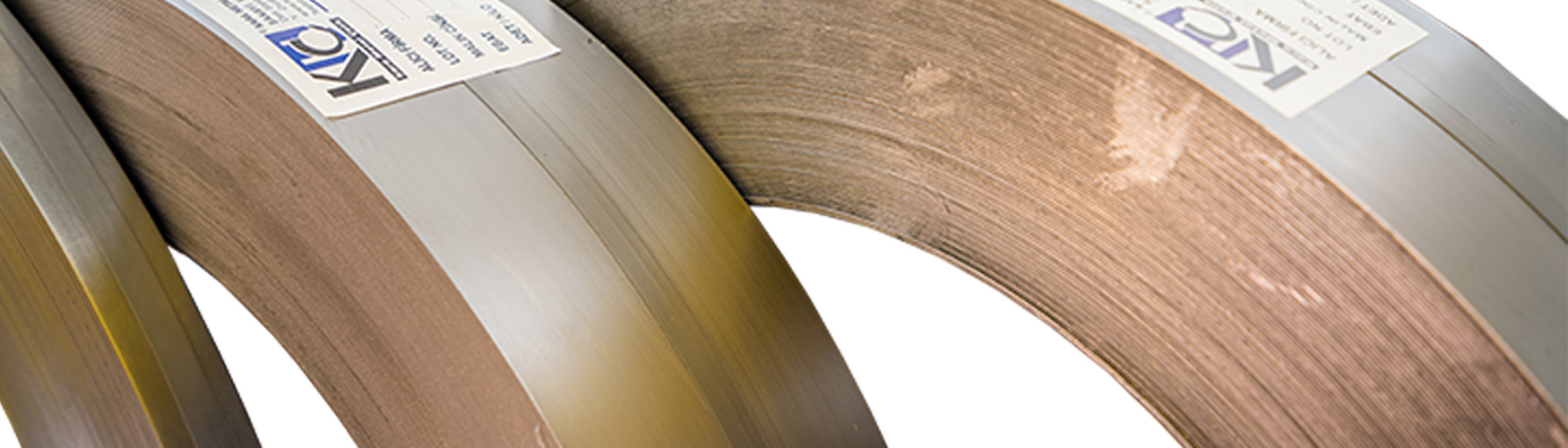
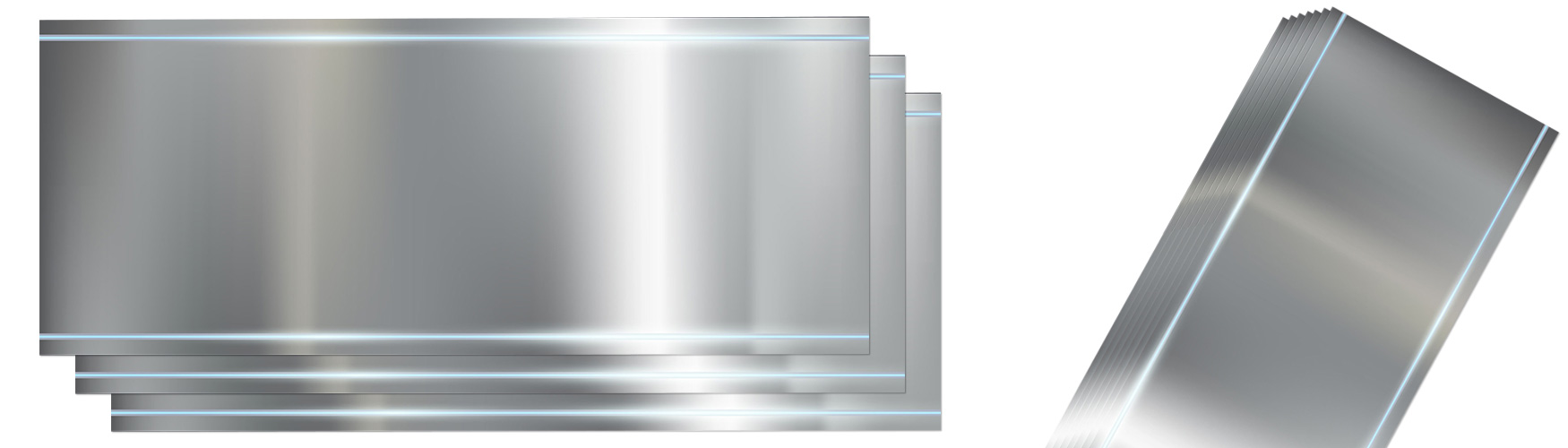
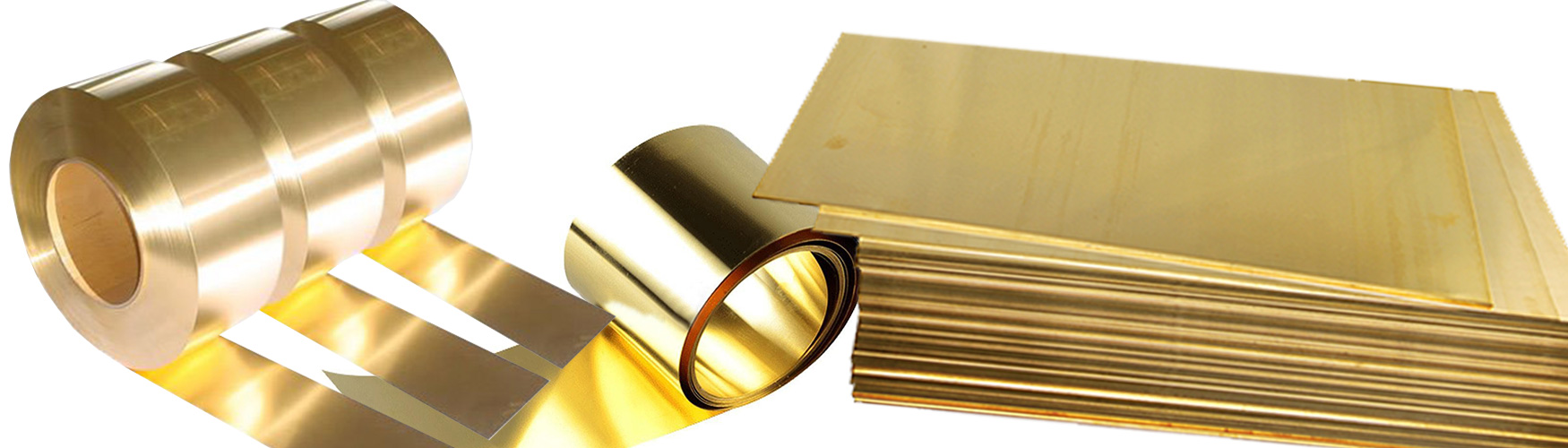
In addition to its technical advantages, 1.4541 stainless steel also features a smooth and bright surface finish, making it suitable for both industrial and decorative applications.
Overall, X6CrNiTi18-10 – 1.4541 (AISI 321) offers a reliable solution for applications requiring high-temperature resistance, corrosion resistance, and structural stability after welding, making it a preferred material in demanding engineering environments.
- Main Application Areas
- High-temperature equipment and systems
- Exhaust systems and heat-exposed components
- Chemical and petrochemical plants
- Heat exchangers and boiler systems
- Pipe and pressure vessel manufacturing
- Components used in the aerospace and energy industries
- Welded structural components
- Industrial furnace equipment
- Architectural and decorative stainless steel applications
Thanks to these characteristics, X6CrNiTi18-10 – 1.4541 (AISI 321) stainless steel is widely used as a reliable engineering material in high-temperature and demanding operating environments.
General Identity
X6CrNiTi18-10 – 1.4541
| Grade |
X6CrNiTi18-10 |
| Number |
1.4541 |
| Classification |
Austenitic Stainless Steel |
Equivalent Grades
X6CrNiTi18-10 – 1.4541
| USA |
321 |
| Germany, DIN |
X10CrNiTi18-9 |
| Japan, JIS |
SUS321 |
| France, AFNOR |
Z6CNT18-10 |
| England, BS |
321S31 |
| Italy, UNI |
X6CrNiTi18-11 |
| China, GB |
0Cr18Ni10Ti
1Cr18Ni11Ti
H0Cr20Ni10Ti |
| Sweden, SS |
2337 |
| Poland, PN |
0H18N10T
1H18N9T |
| Czechia, CSN |
17247
17248 |
| Finland, SFS |
731 |
| Austria, ONORM |
X6CrNiTi18-10S |
| Russia, GOST |
08KH18N10T
08KH18N12T
12KH18N10T |
Standards
X6CrNiTi18-10 – 1.4541
| Standard 1 |
EN 10088-2: 2005 |
| Standard 2 |
EN 10088-3: 2005 |
| Standard 3 |
EN 10028-7: 2007 |
| Standard 4 |
EN 10222-5: 2000 |
| Standard 5 |
EN 10216-5: 2014 |
| Standard 6 |
EN 10217-7: 2005 |
| Standard 7 |
EN 10296-2: 2005 |
| Standard 8 |
EN 10253-3: 2008 |
| Standard 9 |
EN 10253-4: 2008 |
| Standard 10 |
EN 10272: 2007 |
| Standard 11 |
EN 10250-4: 2000 |
| Standard 12 |
EN 10297-2: 2005 |
| Standard 13 |
EN 10088-1: 2005 |
| Standard 14 |
EN 10088-4: 2009 |
| Standard 15 |
EN 10088-5: 2009 |
Chemical Composition
X6CrNiTi18-10 – 1.4541
| C |
max 0.08 |
| Si |
max 1.00 |
| Mn |
2.00 |
| Ni |
9 – 12 |
| P |
max 0.045 |
| S |
max 0.015 |
| Cr |
17 – 19 |
| Ti |
max 0.70 |
Mechanical Properties
X6CrNiTi18-10 – 1.4541
| Rm – Tensile strength (MPa) (+A) |
500 – 720 |
|
| Rm – Tensile strength (MPa) (+AT+C) |
810 – 850 |
|
| Rm – Tensile strength (MPa) (+AT) |
460 – 730 |
|
| Rp0.2 0.2% proof strength (MPa) (+A) |
190 – 225 |
|
| Rp0.2 0.2% proof strength (MPa) (+AT) |
180 – 200 |
|
| KV – Impact energy (J) transverse (+A) |
+20° – 60 |
-196° – 60 |
| KV – Impact energy (J) longitud (+A) |
+20° – 100 |
|
| A – Min. elongation at fracture (%) (+A) |
30 – 40 |
|
| A – Min. elongation at fracture (%) transverse., (+AT) |
35 |
|
| Nominal diameter (mm) (%) (+A) |
2 – 50 |
|
| Z – Z – Reduction in cross section on fracture (%) |
60 – 65 |
|
| Birinel hardness (HB) (+A): |
215 |
|
| Birinel hardness (HB) (+AT): |
210 |
|