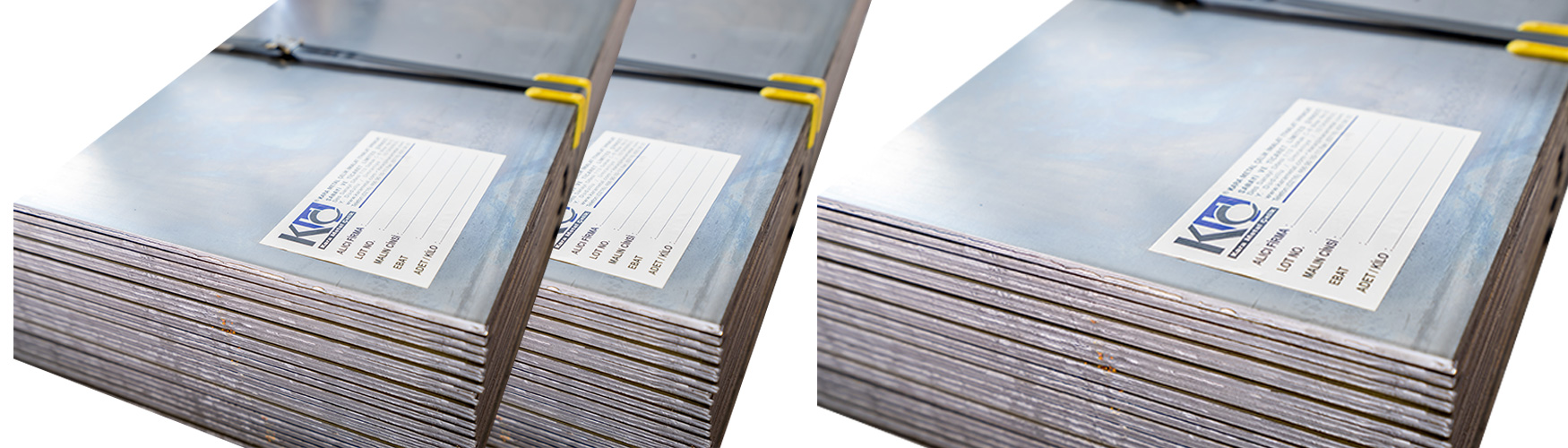
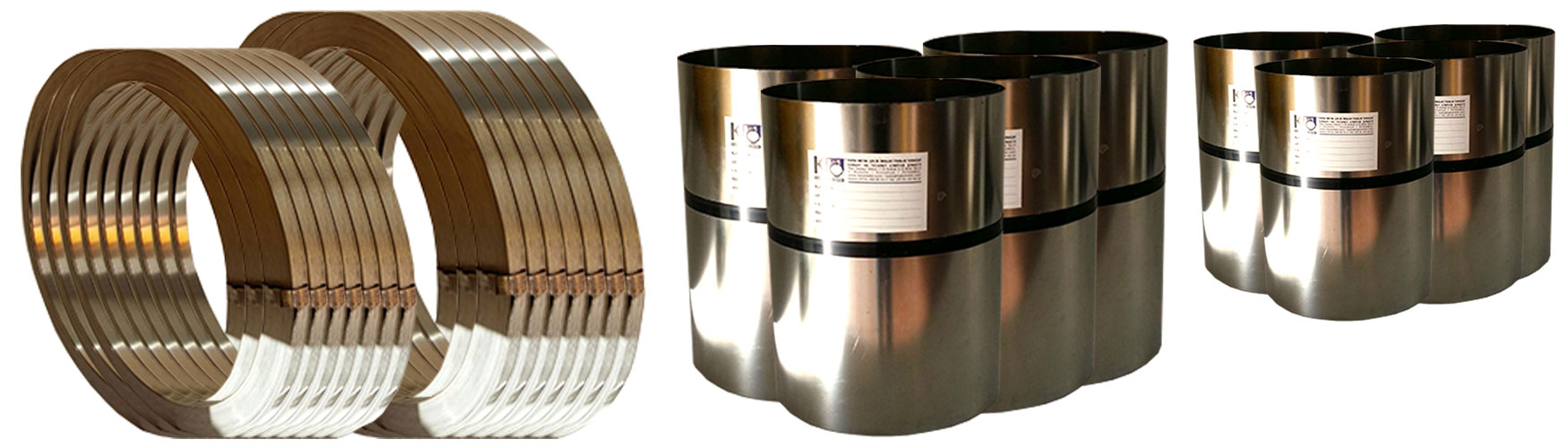
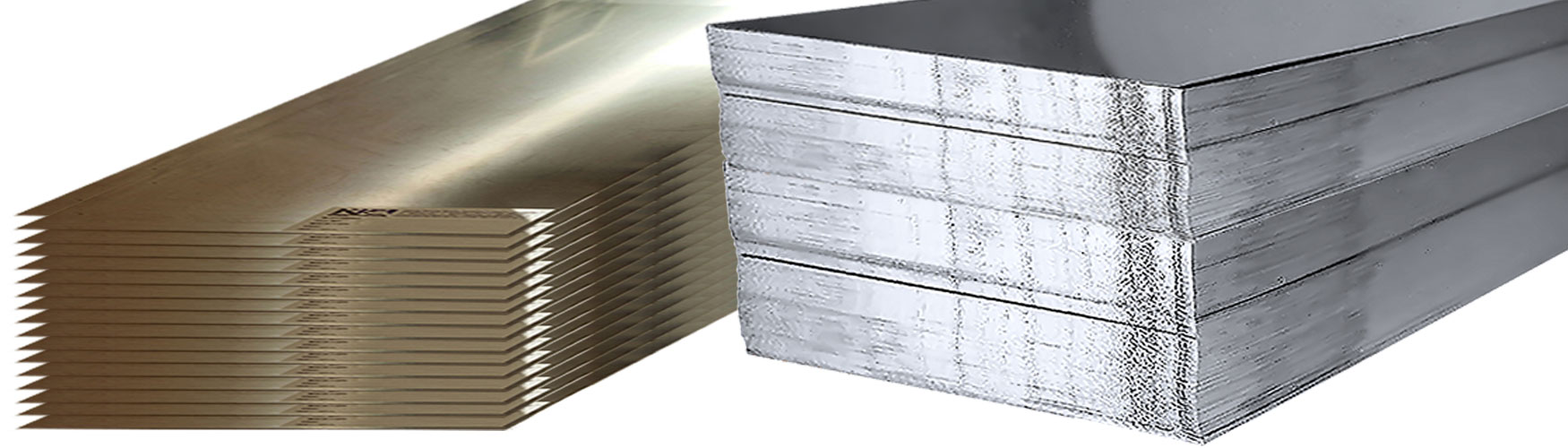
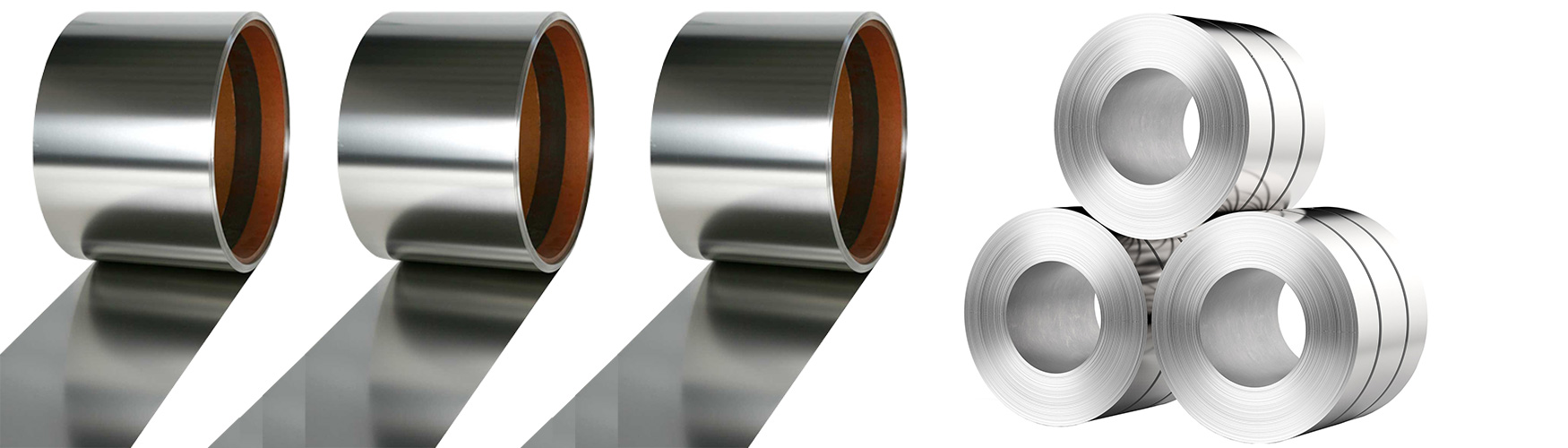
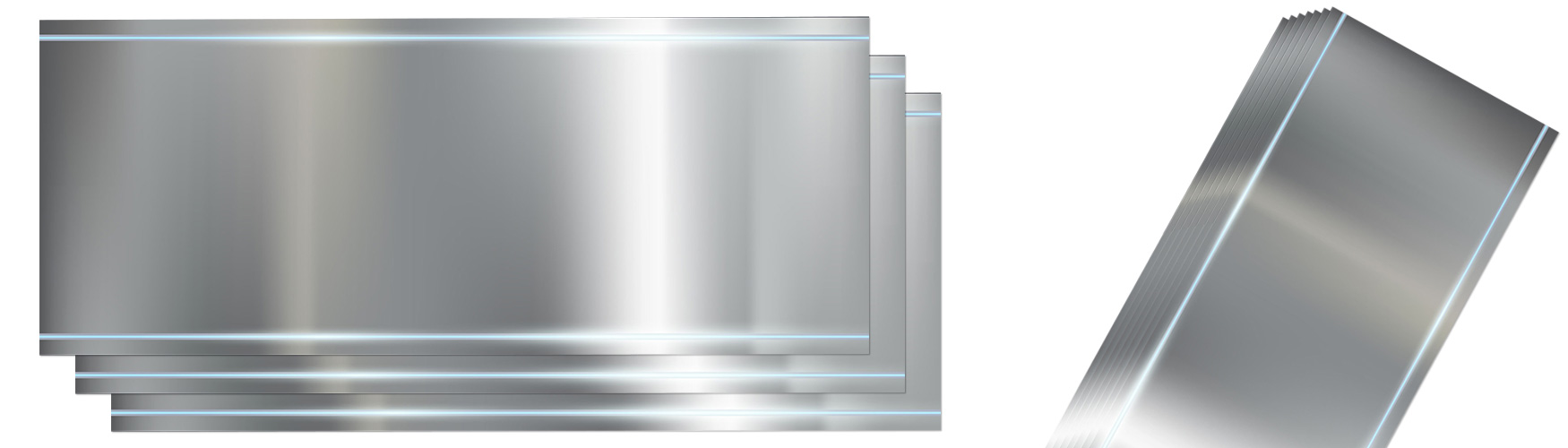
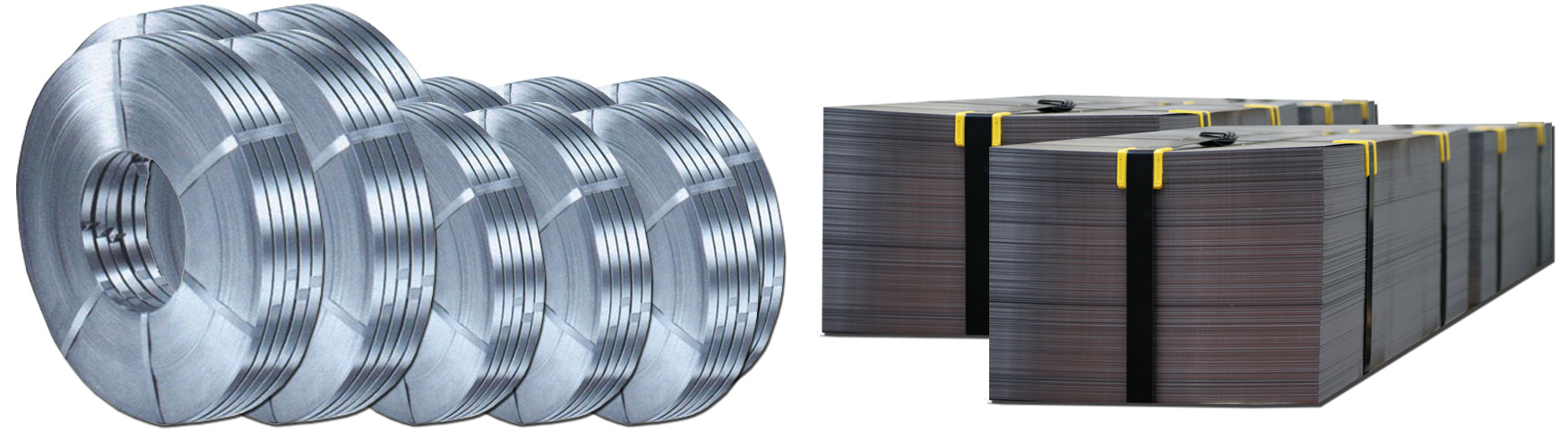
Mechanical Grade Stainless Steels
X20Cr13 – 1.4021 / S42010 / SUS420J1 / 420S29 / 2303 / 2H13 / 17022 / 20KH13
X20Cr13 – 1.4021 stainless steel belongs to the group of martensitic stainless steels and is widely used in applications requiring high hardness, wear resistance, and mechanical strength. Commonly known as AISI 420J1, this grade offers a broader range of applications due to its ability to be hardened by heat treatment. Compared to AISI 410, its higher carbon content provides increased hardness and improved wear resistance.
The chemical composition typically includes approximately 12–14% chromium and 0.16–0.25% carbon. Chromium provides a certain level of corrosion resistance, while the increased carbon content enhances the material’s hardenability. However, compared to austenitic stainless steels such as 304 and 316, its corrosion resistance is more limited. Therefore, it is generally recommended for use in controlled environments, such as exposure to water, humidity, or mild chemical conditions.
One of the most important features of X20Cr13 stainless steel is its ability to achieve high hardness through heat treatment. By applying hardening followed by tempering, the material gains a combination of strength, wear resistance, and improved toughness. This makes it especially suitable for components exposed to friction, abrasion, or mechanical stress.
From a mechanical standpoint, this grade offers high strength and moderate ductility. It also provides good machinability, allowing easy shaping through processes such as turning, milling, and grinding. Its weldability is limited, and preheating is generally required to avoid cracking during welding.
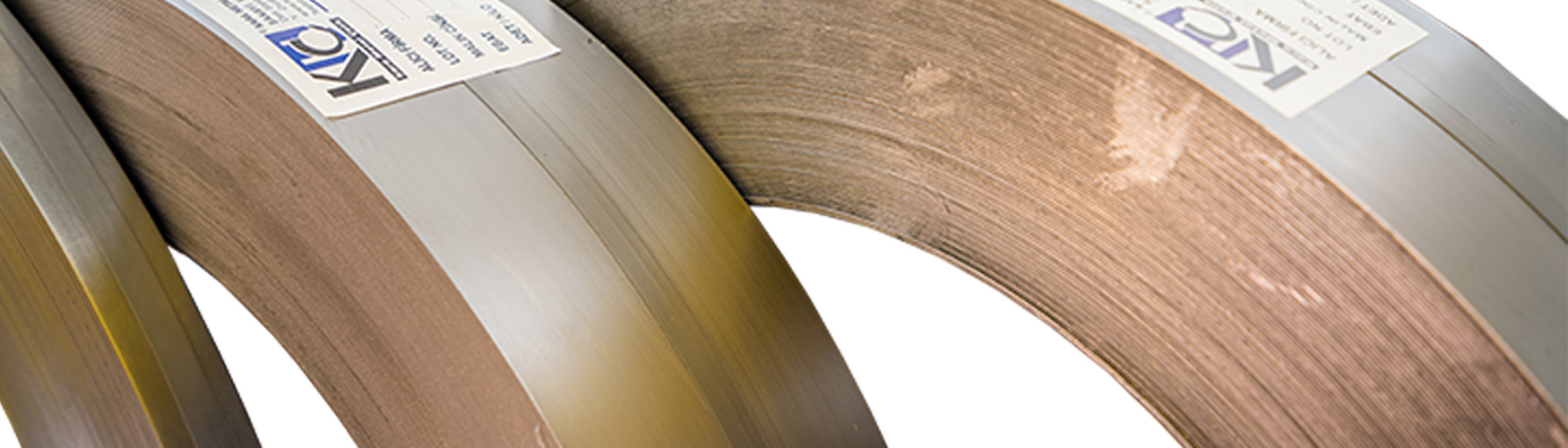
In terms of surface quality, a bright and aesthetically pleasing finish can be achieved, making it suitable for both technical and decorative applications.
Overall, X20Cr13 – 1.4021 (AISI 420J1) stainless steel is a reliable engineering material, combining hardness, strength, and machinability, particularly in applications where mechanical performance is critical.
Main Application Areas
- Knife and cutting tool manufacturing
- Basic surgical and medical instruments
- Shafts, spindles, and mechanical components
- Pump and valve parts
- Wear-resistant machine components
- Hand tools and industrial equipment
- Durable components in the automotive industry
- Agricultural machinery components
- Decorative and technical metal products
Thanks to these properties, X20Cr13 – 1.4021 stainless steel is widely preferred in applications requiring high hardness and mechanical strength, making it an essential material in various industrial sectors.
General Identity
X20Cr13 – 1.4021
| Grade |
X12Cr13 |
| Number |
1.4021 |
| Classification |
Martensitic Stainless Steel |
Equivalent Grades
X20Cr13 – 1.4021
| EU – EN |
X20Cr13 |
| USA |
420
s42010 |
| Germany, DIN,WNr |
X20Cr13 |
| Japan, JIS |
SUS420J1 |
| England, BS |
420S29
420S37 |
| China, GB |
2Cr13
X20Cr13 |
| Sweden, SS |
2303 |
| Poland, PN |
2H13 |
| Czechia, CSN |
17022 |
| Russia, GOST |
20KH13 |
Standards
X20Cr13 – 1.4021
| Standard 1 |
EN 10088-2: 2005 |
| Standard 2 |
EN 10088-3: 2005 |
| Standard 3 |
EN 10151: 2003 |
| Standard 4 |
EN 10250-4: 2000 |
| Standard 5 |
EN 10088-1: 2005 |
| Standard 6 |
EN 10088-5: 2009 |
| Standard 7 |
EN 10088-4: 2009 |
Chemical Composition
X20Cr13 – 1.4021
| C |
0.16 – 0.25 |
| Si |
max 1.00 |
| Mn |
max 1.50 |
| Ni |
max 0.75 |
| P |
max 0.040 |
| S |
max 0.015 |
| Cr |
12 – 14 |
Mechanical Properties
X20Cr13 – 1.4021
| Rm – Tensile strength (MPa) (+QT) |
650 – 950 |
| Rp0.2 0.2% proof strength (MPa) (+QT) |
450 – 600 |
| KV – Impact energy (J) longitud |
+20° – 20-25 |
| A – Min. elongation at fracture (%) (+QT) |
10 – 12 |
| Vickers hardness (HV): (+A) |
190 – 240 |
| Vickers hardness (HV): (+A) |
480 – 520 |
| Brinell hardness (HB): (+A) |
230 |