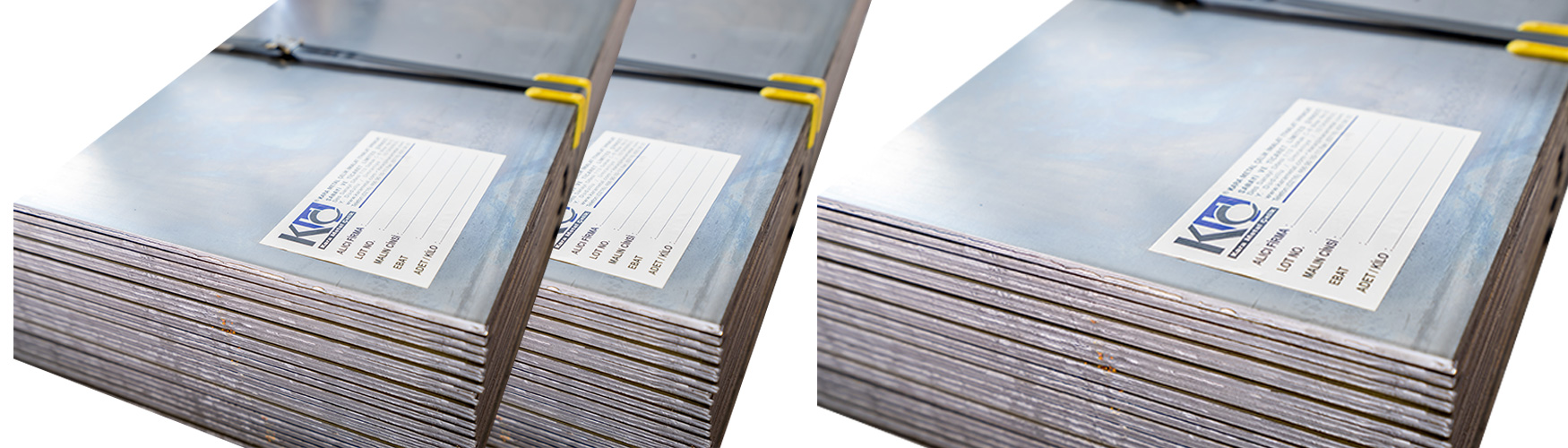
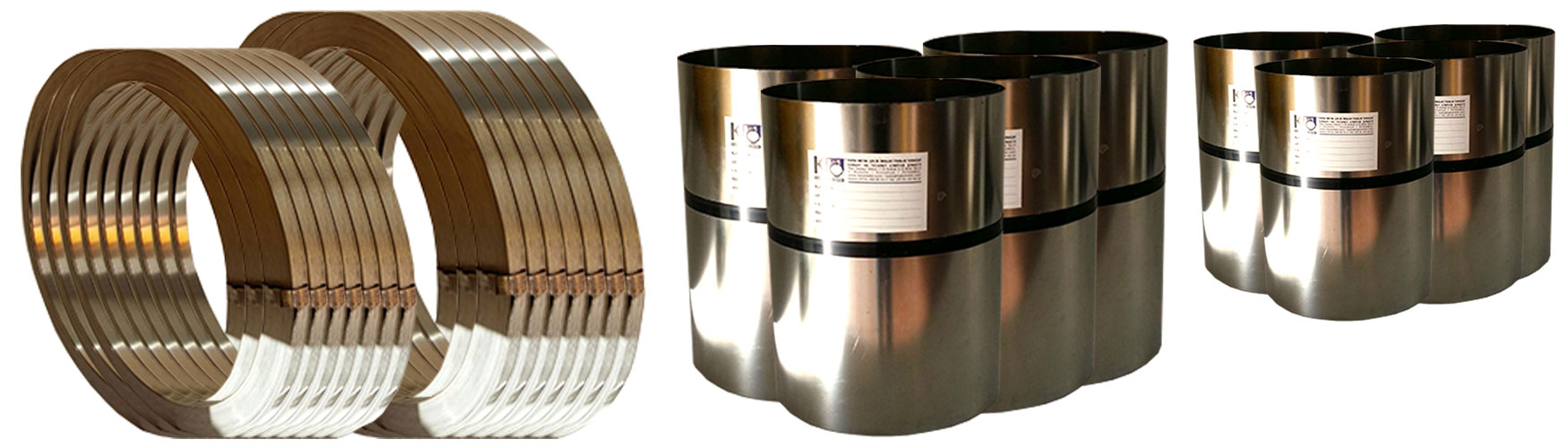
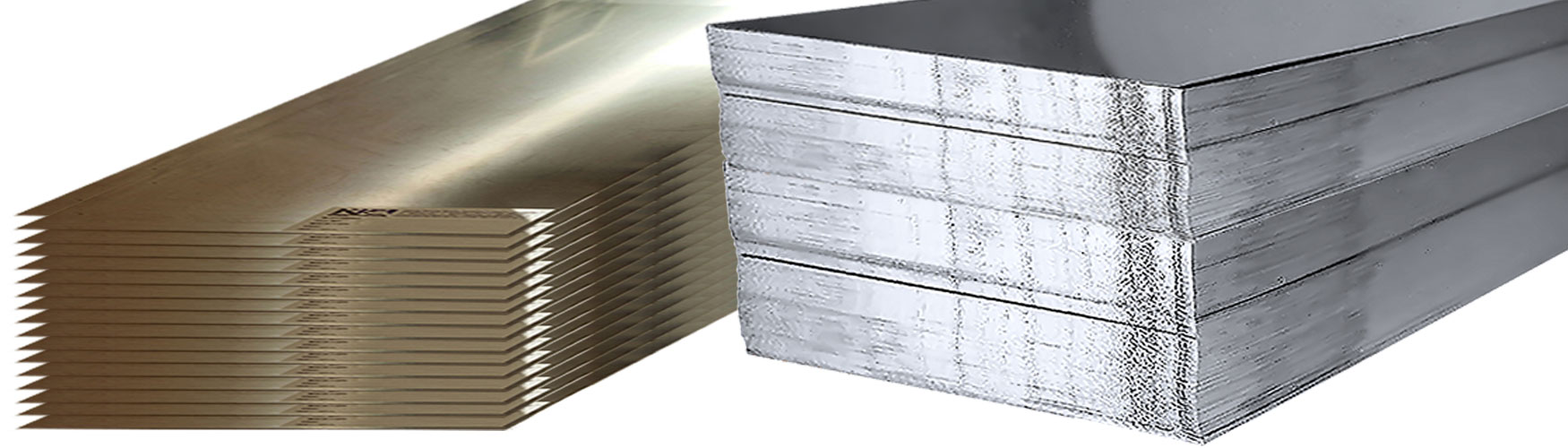
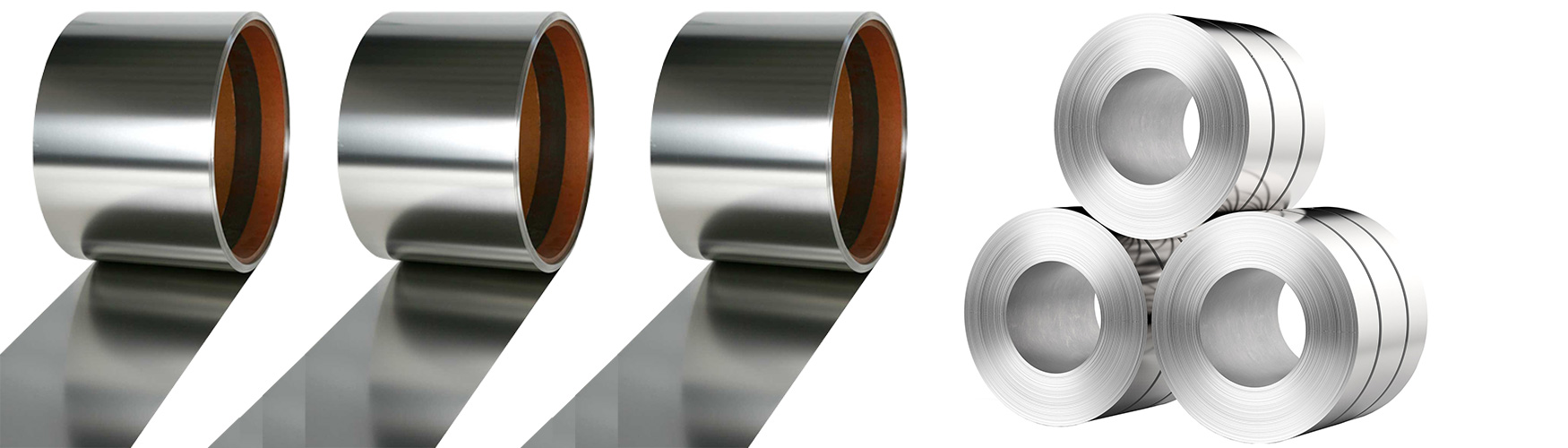
Non-Water-Hardenable Steels
C22E – 1.1151 / 1020 / Ck22 / S20C / XC18 / 070M20 / CS22 / C25
C22E – 1.1151 steel grade belongs to the group of low-carbon structural steels and is widely used as an engineering material in various industrial applications. Although it may appear under different designations in different countries and standard systems, its fundamental characteristics remain largely similar. For example, it is referred to as C22E – 1.1151 in European standards, AISI 1020 in the United States, Ck22 in Germany, S20C in Japan, XC18 in France, and 070M20 or CS22 in the United Kingdom. These alternative designations demonstrate the steel’s broad use in international manufacturing and engineering applications.
C22E steel typically contains approximately 0.20% – 0.25% carbon. This carbon level provides the material with a balanced combination of strength and ductility. Due to its low carbon content, the steel offers excellent machinability and performs reliably during manufacturing processes such as turning, milling, drilling, and forming operations. In addition, it has very good weldability, which provides significant advantages during production and assembly processes.
This steel grade is particularly known for its suitability for surface hardening processes such as carburizing (case hardening). Through this treatment, the surface layer of the material becomes hardened while the core retains its ductile structure. This combination allows the production of components that are both durable and resistant to impact loads, which is especially valuable in machine components and automotive parts.
C22E steel combines reliable mechanical properties with economical production costs. For this reason, it is frequently used in machine manufacturing, the automotive industry, metal processing, and general engineering applications. Its good machinability and reliable performance make it a highly popular steel grade in industries where mass production is common.
Thanks to its durability, machinability, and suitability for surface hardening, C22E – 1.1151 steel plays an important role in modern manufacturing processes. The balance it offers between technical performance and cost efficiency makes it an indispensable material across many industrial sectors.
Main Application Areas
- Shafts, pins, and various machine components
- Bolts, screws, and fastening elements
- Gear blanks and transmission components
- Mechanical parts designed for carburizing (case hardening)
- Various auxiliary components in the automotive industry
- Structural parts used in machinery manufacturing
- Welded steel construction elements
- Pipe and profile production
- Pressed or formed metal components
Thanks to these characteristics, C22E – 1.1151 and equivalent steel grades are widely used as reliable engineering materials in industrial applications requiring durability, machinability, and production efficiency.
General Identity
C22E – 1.1151
| Grade |
C22E |
| Number |
1.1151 |
| Classification |
Özel Çelik |
Equivalent Grades
C22E – 1.1151
| USA |
1020 |
| Germany, DIN |
Ck22 |
| Japan, Jis |
S20C |
| France, AFNOR |
XC18 |
| England, BS |
070M20 CS22 |
| Italy, UNI |
C25 |
| Russia, Gost |
20 |
Standards
C22E – 1.1151
| Standard 1 |
EN 10080-2:2006 |
| Standard 2 |
EN 10132-3:2000 |
| Standard 3 |
EN 10297-1:2003 |
Chemical Composition
C22E – 1.1151
| C |
0.17 – 0.24 |
| Si |
max 0.40 |
| Mn |
0.40 – 0.70 |
| Ni |
max 0.40 |
| P |
max 0.030 |
| S |
max 0.035 |
| Cr |
max 0.40 |
| Mo |
max 0.10 |
Mechanical Properties
C22E – 1.1151
| Nominal thickness (mm) |
to 16 |
16 – 100 |
| Rm – Tensile strength (MPa) (+N) |
430 |
410 |
| Nominal thickness (mm) |
0.3 – 3 |
| Rm – Tensile strength (MPa) (+A) |
500 |
| Nominal thickness (mm) |
0.3 – 3 |
| Rm – Tensile strength (MPa) (+CR) |
900 |
C22E – 1.1151
| Nominal thickness (mm) |
to 8 |
8 – 20 |
20 – 50 |
50 – 80 |
| Rm – Tensile strength (MPa) (+QT) |
500 |
470 |
440 |
420 |
| Nominal thickness (mm) |
to 8 |
8 – 20 |
20 – 50 |
50 – 80 |
| ReH – Minimum yield strength (MPa) (+QT) |
340 |
290 |
270 |
260 |
| Nominal thickness (mm) |
to 16 |
16 – 100 |
Re – Upper yield strength or
Rp0.2 – 0.2% proof strength (MPa) (+N) |
240 |
210 |
| Nominal thickness (mm) |
0.3 – 3 |
| Rp0.2 0.2% proof strength (MPa) (+A) |
400 |
C22E – 1.1151
| KV – Inpact enerjy (J) (+QT) |
+20° | 40 – 50 |
| KV – Impact energy (J) transverse, (+QT) |
+20° | 27 – 32 |
| Nominal thickness (mm) |
0,3 – 3 |
| A – Min. elongation Lo = 80 mm (%) (+A) |
22 |
| Nominal thickness (mm) |
to 8 |
8 – 20 |
20 – 50 |
50 – 80 |
| A – Min. elongation at fracture (%) longitud., (+QT) |
20 |
22 |
22 |
22 |
| Nominal thickness (mm) |
to 16 |
16 – 100 |
| A – Min. elongation Lo = 5,65 √ So (%) (+N) |
24 |
25 |
C22E – 1.1151
| Vikers hardness (HV) (+CR) |
265 |
| Vikers hardness (HV) (+A) |
155 |
| Vikers hardness (HB) (+A) |
156 |