Water-Quenched Spring Steels
C67S – 1.1231 / Ck67 / C68RR / CS70
C67S – 1.1231 steel grade belongs to the group of high-carbon structural steels and is widely used in applications that require high hardness, durability, and elasticity. This steel may appear under different standard designations in various countries. For example, it is known as Ck67 in Germany, C67S in certain European standards, C68RR in France, and CS70 in the United Kingdom. Although the naming differs, the chemical composition and intended applications of these steels are largely similar, enabling widespread use in international engineering and manufacturing.
C67S steel typically contains approximately 0.65% – 0.70% carbon. This relatively high carbon content significantly increases the hardenability of the steel. When appropriate heat treatment processes are applied, the material can achieve very high hardness and excellent wear resistance. For this reason, it is commonly used in the production of components that require elastic behavior or are subjected to continuous mechanical stress.
With proper heat treatment, this steel grade can develop excellent mechanical properties. Through hardening and tempering, a structure that combines high strength with adequate toughness can be achieved. Tempering reduces brittleness and provides a more balanced mechanical performance. These characteristics make C67S steel particularly suitable for spring production and elastic mechanical components.
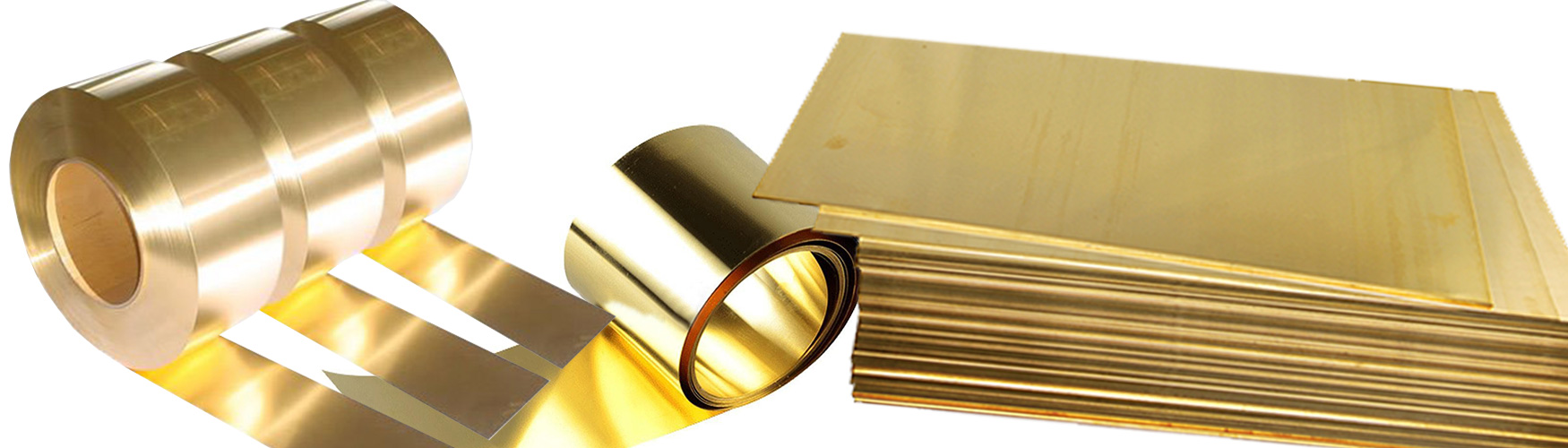
Compared to low-carbon steels, machinability is more limited, but with suitable machining techniques it can still be processed through turning, milling, and grinding operations. When produced in thin sheet or strip form, its high elasticity and spring-back characteristics provide significant advantages in many technical applications.
Due to its high strength, wear resistance, and elastic properties, C67S – 1.1231 steel plays an important role in machine manufacturing, the automotive industry, and various engineering applications. It is widely recognized as a reliable material among spring steels used in demanding industrial environments.
Main Application Areas
- Spring manufacturing (coil springs, leaf springs, etc.)
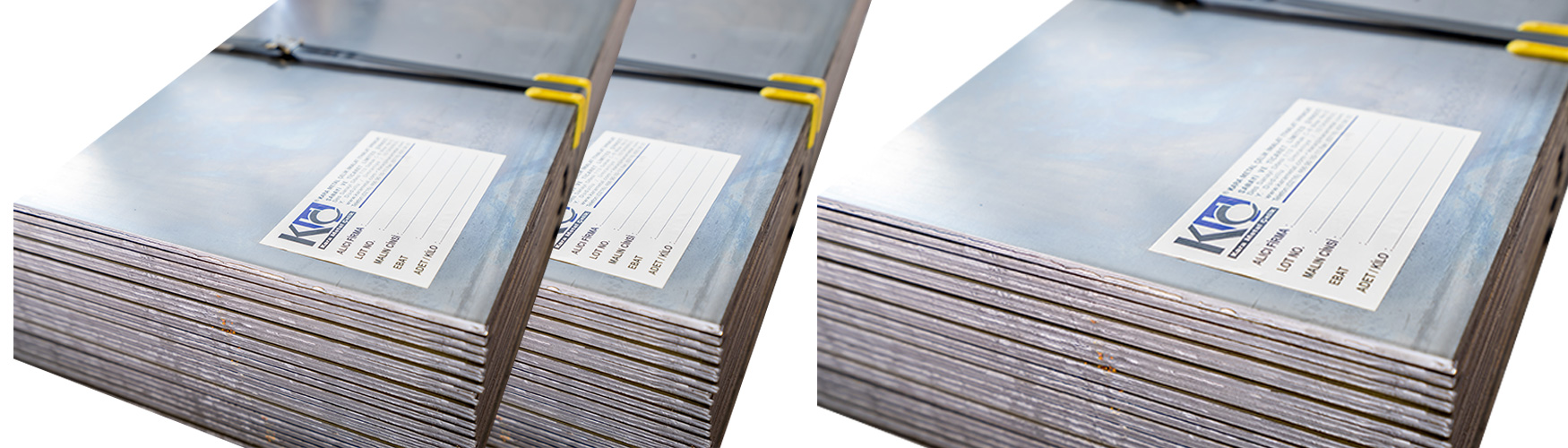
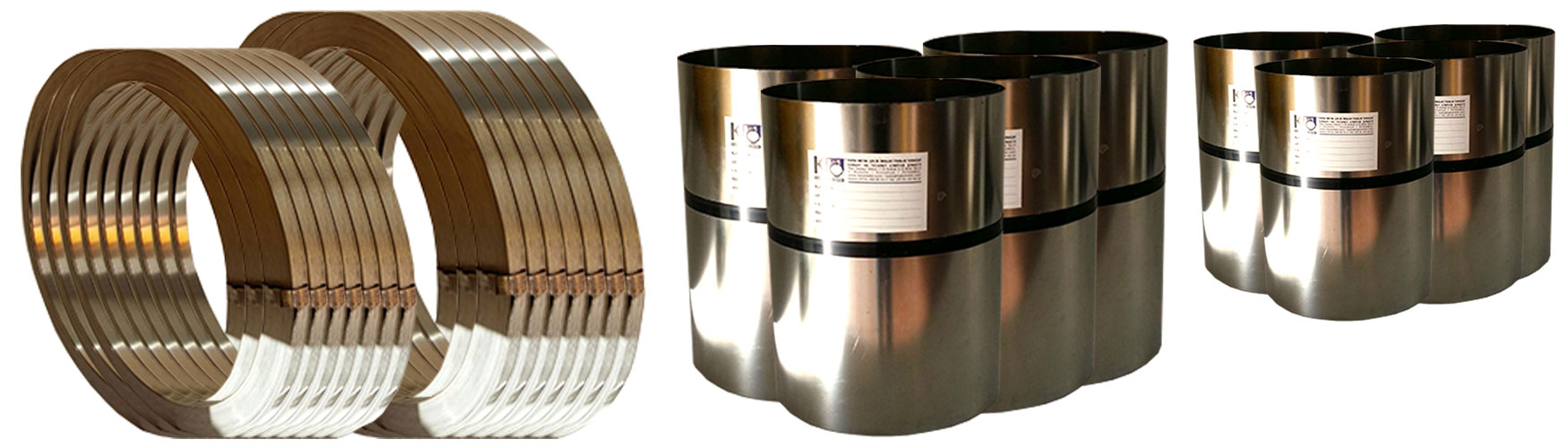
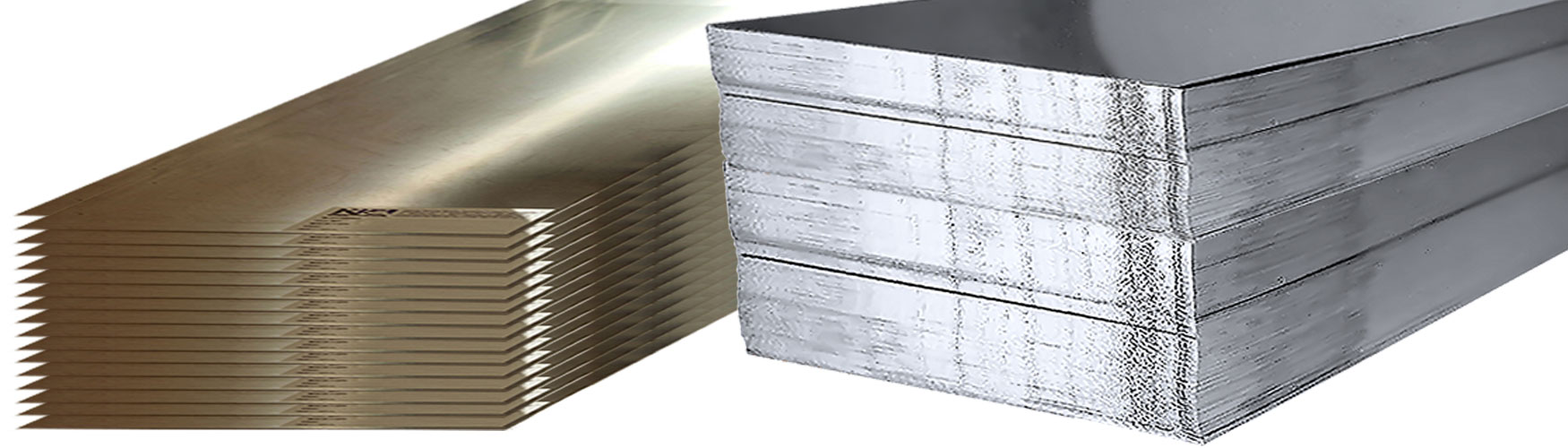
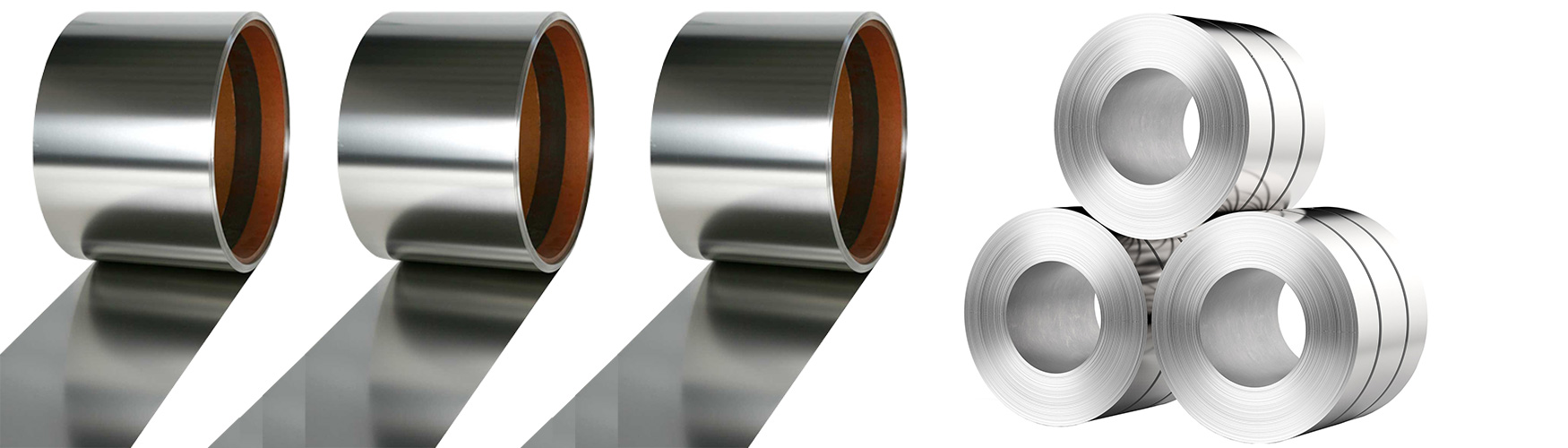
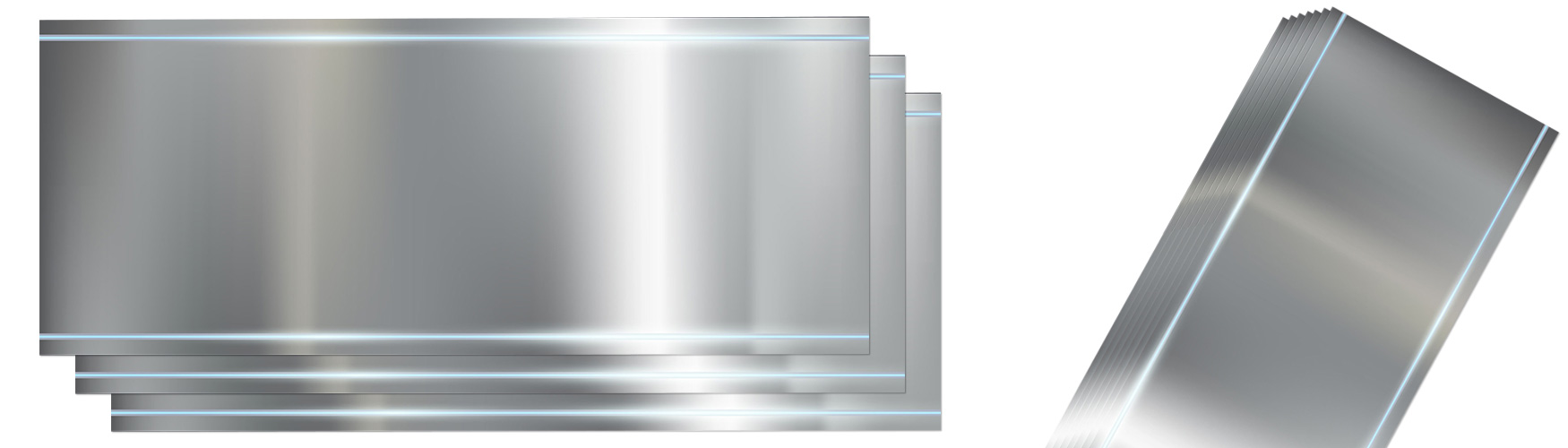
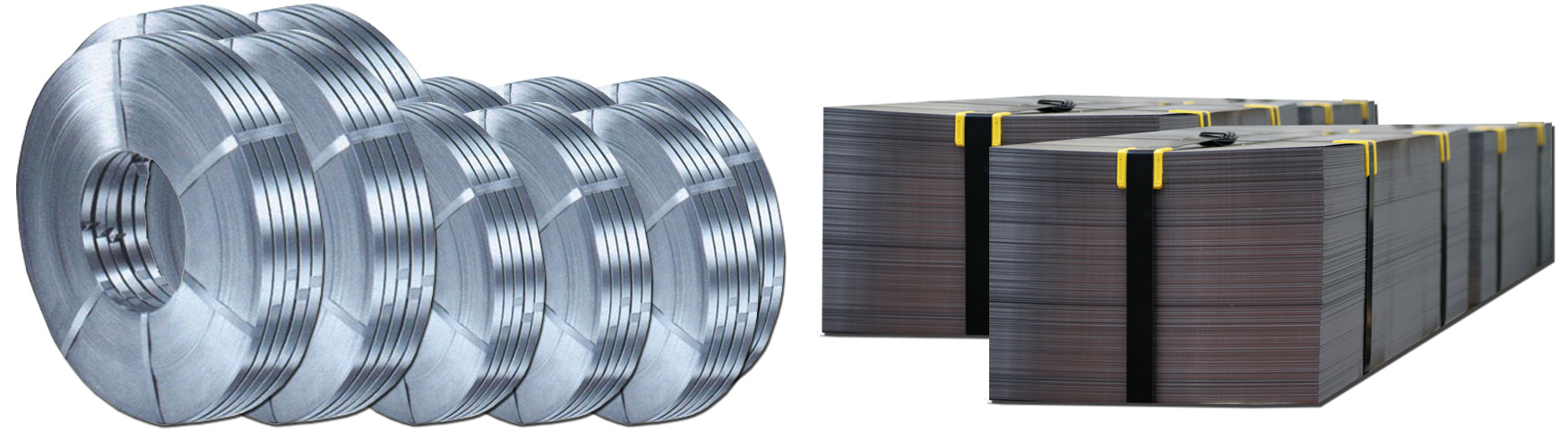
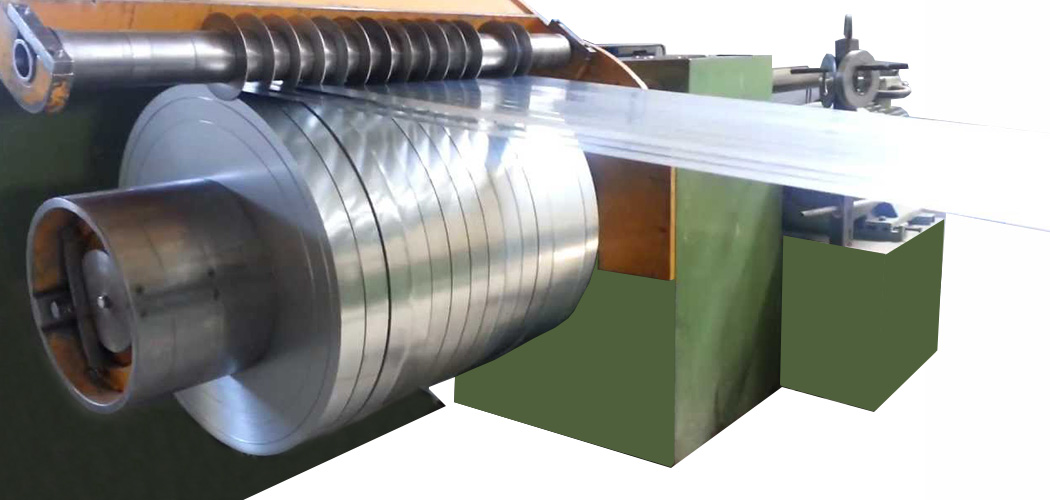
- Production of spring steel sheets and strips
- Certain parts of knives and cutting tools
- Wear-resistant mechanical components
- Elastic machine elements used in machinery manufacturing
- Durable parts used in agricultural machinery
- Elastic metal components used in measuring instruments
- Lock mechanisms and spring-loaded systems
- Various spring and elastic elements in the automotive industry
Thanks to these characteristics, C67S – 1.1231 and equivalent steel grades are widely preferred engineering materials in applications that require high elasticity, durability, and long service life.
General Identity
C67S – 1.1231
| Grade |
C67S |
| Number |
1,1231 |
| Classification |
Steel |
Equivalent Grades
C67S – 1.1231
| Germany, DIN |
Ck67 |
| France, AFNOR |
C68RR |
| England, BS |
CS70 |
Standards
C67S – 1.1231
| Standard 1 |
EN 10132-4:2000 |
Chemical Composition
C67S – 1.1231
| C |
0.65 – 0.73 |
| Si |
0.15 – 0.35 |
| Mn |
0.60 – 0.90 |
| Ni |
max 0.40 |
| P |
max 0.025 |
| S |
max 0.025 |
| Cr |
max 0.40 |
| Mo |
max 0.10 |
Mechanical Properties
C67S – 1.1231
| Nominal thickness(mm) |
0.3 – 3 |
| Rm – Tensile strength (MPa) (+A) |
640 |
| —– |
—– |
| Nominal thickness(mm) |
0.3 – 3 |
| Rm – Tensile strength (MPa) (+CR) |
1140 |
| —– |
—– |
| Nominal thickness(mm) |
0.3 – 3 |
| Rm – Tensile strength (MPa) (+QT) |
1200 – 1900 |
| —– |
—– |
| Nominal thickness(mm) |
0.3 – 3 |
| Rp0.2 0.2% proof strength (MPa) (+A) |
510 |
| —– |
—– |
| Nominal thickness(mm) |
0.3 – 3 |
| A – Min. elongation Lo = 80 mm (%) (+A) |
16 |
| —– |
—– |
| Vikers hardness (HV): (+A) |
200 |
| Vikers hardness (HV): (+CR) |
315 |
| Vikers hardness (HV): (+QT) |
370 – 580 |